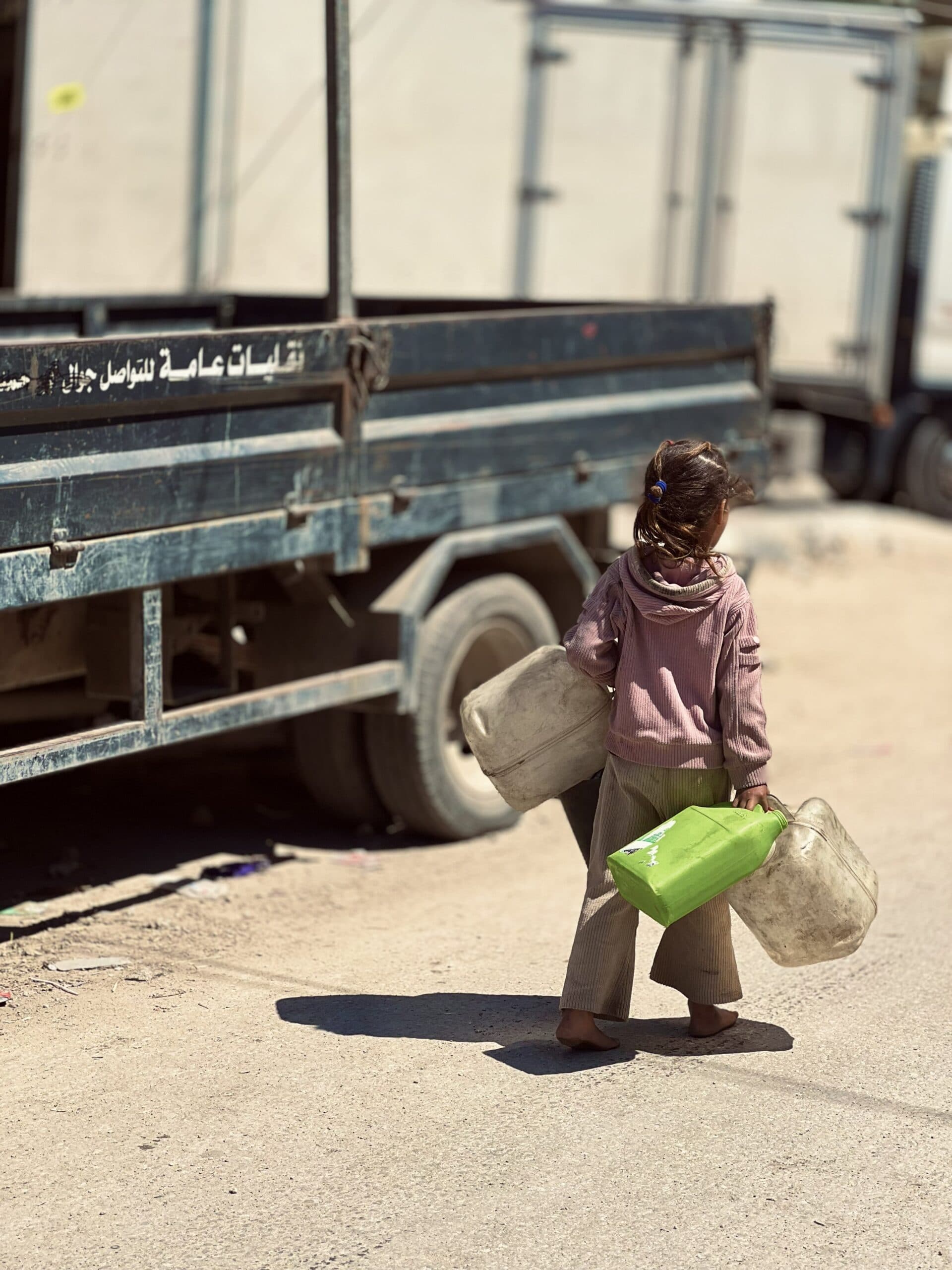
October 7 2026: After Three Years of Devastating Hostilities, Accountability Cannot Wait
This publication addresses the obligations of the parties to the conflict and third States with regards to holding accountable individual perpetrators of alleged international crimes in the occupied Palestinian territory and Israel.
IHL Centre Highlights 2025
The IHL Centre is pleased to share its first annual highlights publication, summarising key global and regional achievements and examples of the impact of our work last year.
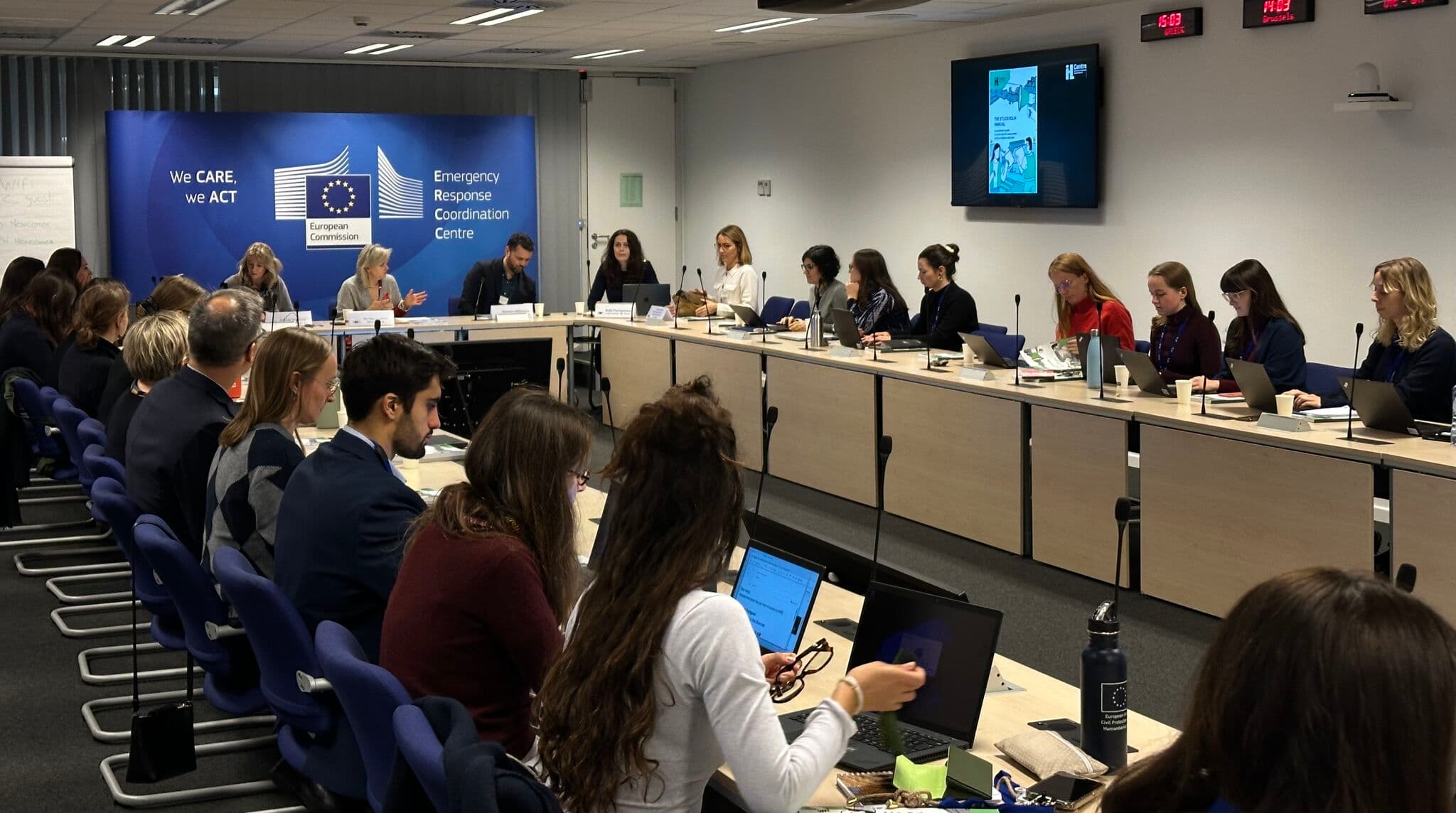
One year of the Stockholm Manual
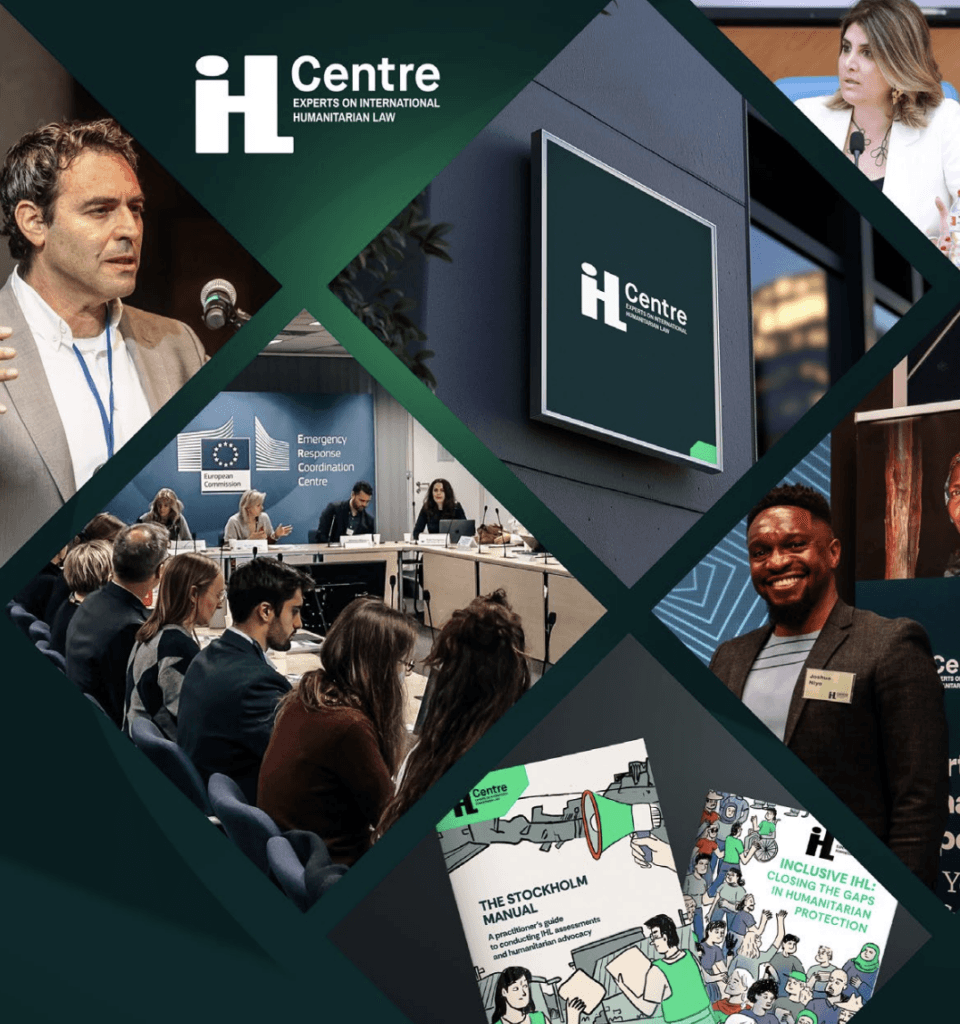
One year ago today, the IHL Centre launched the Stockholm Manual: A Practitioner’s Guide to Conducting IHL Assessments and Advocacy.
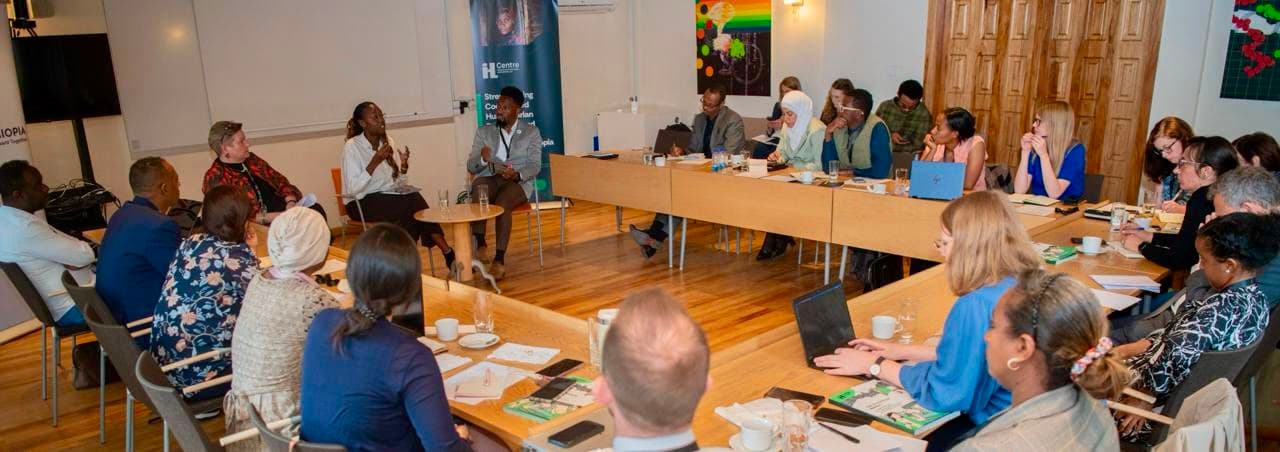
Strategic Humanitarian Roundtable, Addis Adaba
In June 2026, the Centre convened a strategic roundtable on "Strengthening Coordinated Humanitarian Response and Diplomacy in Sudan and Ethiopia".
Our work
The IHL Centre is an independent, specialised legal centre providing legal advice, analysis, research, and training on international humanitarian law to advocate for the protection of people affected by armed conflict.
We are a global organisation with context-specific expertise. Our team includes over 20 international lawyers, spread across our Middle East, Israel/Palestine and Africa Units. We also have a presence in a number of other key global locations, including Stockholm, Geneva and Brussels.
Learn more about us by watching our presentation video below. The video is also available in French and Arabic.
Latest news and publications
Watch our presentation video below to learn more about our work
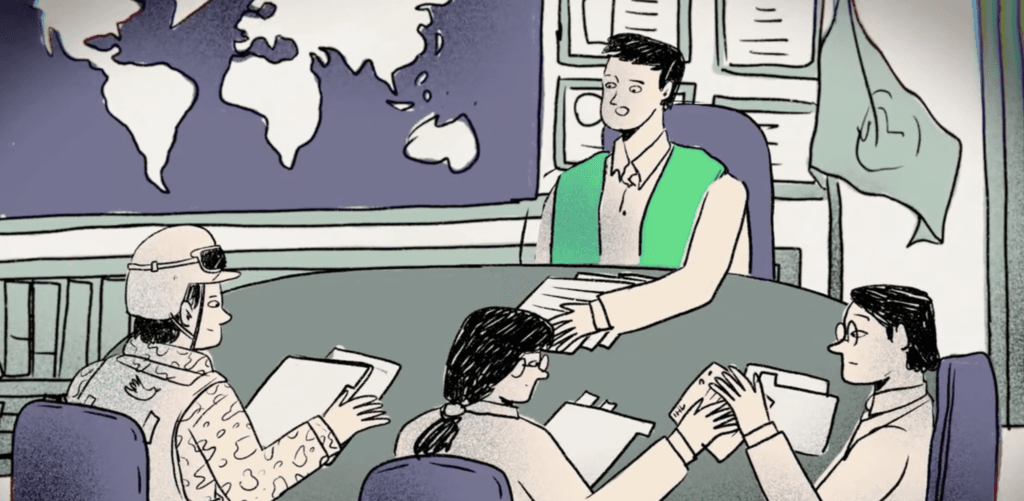
IHL Advisory Service
Our team of legal experts provides rapid, free, legal and policy advice to stakeholders on the laws of armed conflict. We provide support to states, humanitarian service providers, UN mechanisms, independent investigative bodies as well as local civil society groups.