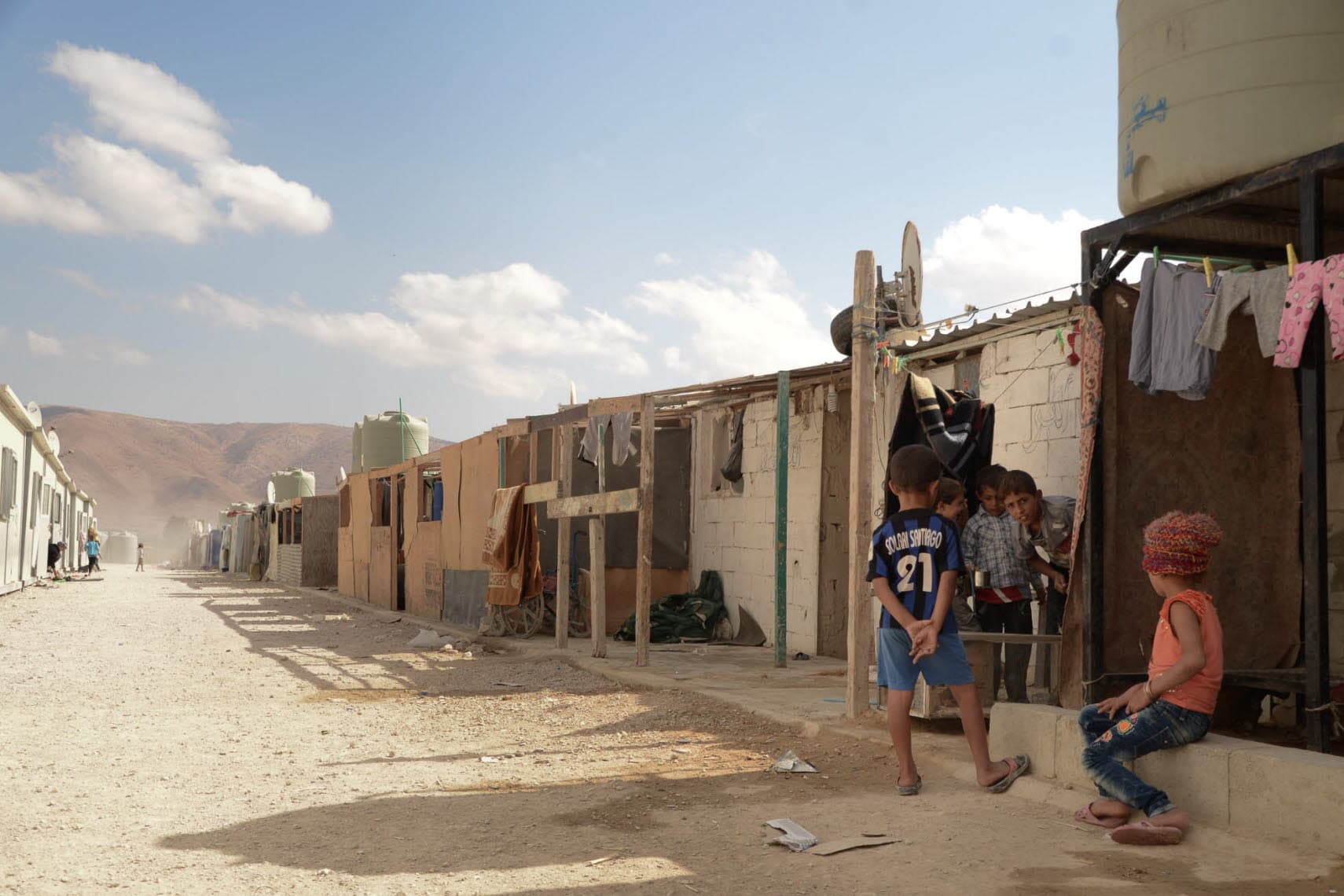
Middle East
The IHL Centre works across Lebanon, Syria, Yemen, Jordan, Iraq, and Qatar to strengthen respect for International Humanitarian Law through legal analysis, advocacy, advisory support, research, and capacity development.
Bridging the gap between legal frameworks and operational realities in conflict-affected settings
Working across Lebanon, Syria, Yemen, Jordan, Iraq, and Qatar, the IHL Centre's Middle East Unit works closely with humanitarian organizations, local actors, governments, civil society organizations, legal professionals, academics, journalists, and affected communities to bridge the gap between legal frameworks and operational realities in conflict-affected settings. More information on each context is provided below.
Please note that a separate Unit covers the Israel/Palestine context.
Contact
A Context-Sensitive and Operational Approach
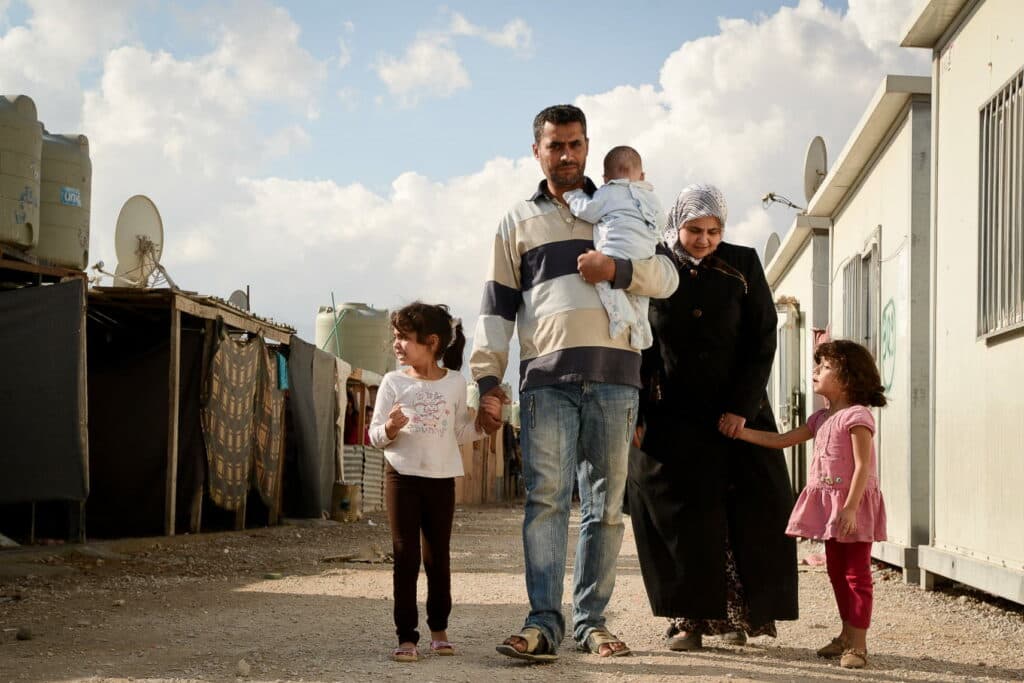
The core strength of the Unit lies in its context-sensitive and operational approach to IHL. The team’s legal advisors combine strong expertise in international humanitarian law with deep regional and operational experience, allowing the Unit to provide legal analysis and guidance that is tailored to the realities, sensitivities, and humanitarian challenges faced across the Middle East.
Through close engagement with actors on the ground, the Unit works to make IHL more understandable, accessible, and operationally relevant in rapidly evolving conflict environments.
The Unit provides free and confidential IHL advisory services and regularly supports humanitarian responders and organizations on a broad range of issues related to IHL and humanitarian action in conflict settings. This includes legal and operational questions arising from armed conflicts, humanitarian response, civilian protection, accountability processes, and other emerging humanitarian and legal challenges affecting the region.
Alongside its advisory work, the Unit develops legal analyses, practical guidance materials, and accessible resources aimed at supporting humanitarian and local actors working in complex environments. Recognizing the importance of accessibility and outreach, resources are developed in practical and user-friendly formats, including webinars, technical briefings, legal explainers, trainings, and Q&A series in both English and Arabic. See below our most recent publications, legal analyses, and regional resources.
The IHL Centre's work in the Middle East region focuses on the following contexts
Syria
Overview and why we work on this context
Syria remains a complex conflict and post-conflict environment marked by displacement, accountability challenges, detention-related concerns, humanitarian needs and significant questions around transitional justice. Legal clarity is essential for humanitarian actors, civil society, victims’ groups and emerging justice mechanisms.
What we do
The IHL Centre supports Syrian and regional actors through legal advice, capacity building, technical support, and transitional justice engagement and accountability. In 2025, the Centre strengthened engagement with Syrian judges, legal professionals, civil society organisations, victims’ associations, and transitional justice actors through dialogue, advisory support, and knowledge exchange initiatives. Our work included legal analysis on international humanitarian law and related areas of international law, support to discussions on accountability and reparations, and assistance to actors documenting harm and engaging in justice processes. We also provided training, advisory services, and support to strengthen legal advocacy and the capacity of actors engaged in humanitarian work and justice processes.
Yemen
Overview and why we work on this context
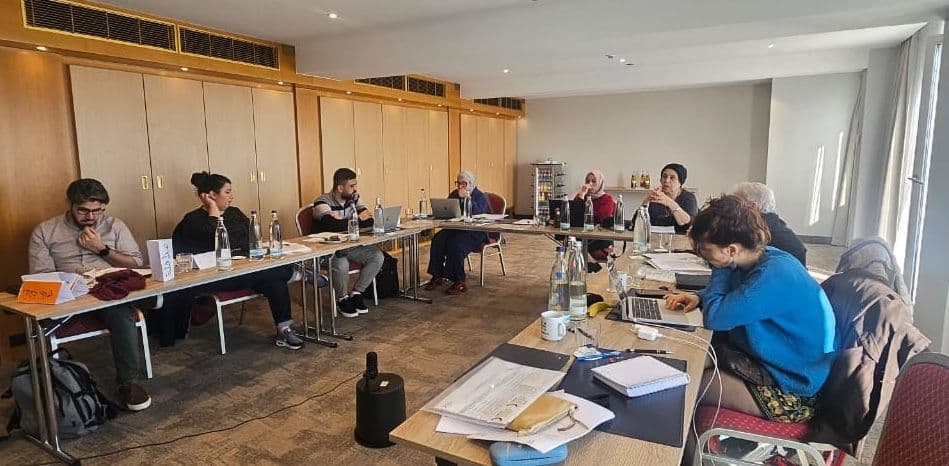
Yemen remains one of the world’s most severe humanitarian crises, with civilians affected by protracted armed conflict, insecurity, humanitarian access constraints and the weakening of essential services. Humanitarian and civil society actors require practical legal tools to strengthen protection advocacy and navigate complex operational realities.
What we do
The IHL Centre supports actors working on Yemen through advisory services, capacity building and tailored legal engagement. In 2025, this included participation from Yemeni actors in a regional humanitarian training in Amman and a tailored discussion with the Yemen Peace Youth Forum, drawing comparative lessons from Syria’s transitional justice experience. Our support may include IHL training, rapid analysis, advisory services, the Stockholm Manual and discreet technical support to humanitarian and civil society partners.
Lebanon
Overview and why we work on this context
Lebanon faces conflict-related humanitarian and protection challenges linked to regional escalation, displacement, economic crisis and the impact of hostilities. Renewed hostilities since early 2026 have brought further displacement and heightened protection risks for civilians. Civilians and humanitarian actors face significant legal and operational concerns, including around protection, access and accountability.
What we do
The IHL Centre supports actors in Lebanon through training, advisory services and legal capacity building. We work with humanitarian and civil society organisations, legal professionals, academic institutions, media actors, and public institutions, including the National IHL Committee, to strengthen the understanding and implementation of IHL.
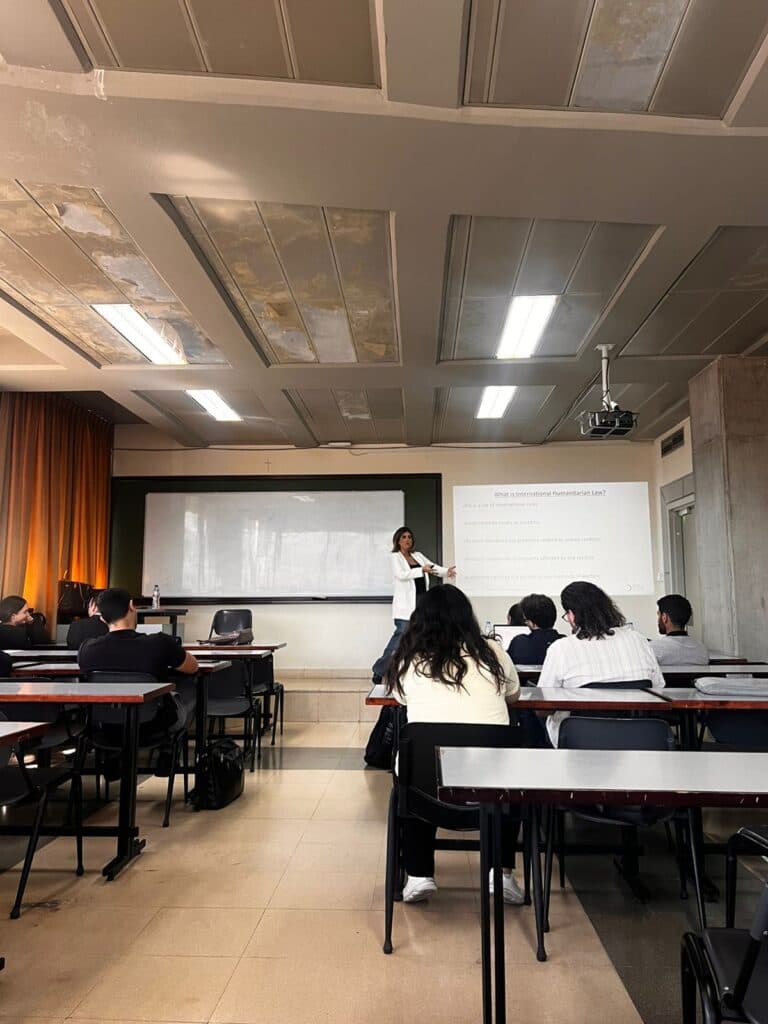
In 2025, this included IHL training for humanitarian actors and interactive sessions with law students, introducing future legal professionals to core IHL principles. As hostilities escalated in 2026, the Centre published a series of Questions and Answers addressing key IHL issues arising from the ongoing conflict. Our work in Lebanon may also include support to humanitarian and civil society actors through the Stockholm Manual, legal analysis, capacity building and media or communications support.
Iraq
Overview and why we work on this context
Iraq continues to face protection, rule of law and transition-related challenges linked to the legacy of armed conflict, displacement and accountability concerns. Civil society actors play an important role in identifying legal and operational priorities for civilian protection.
What we do
The IHL Centre supports Iraqi civil society and humanitarian actors through dialogue, capacity building and legal analysis. In 2025, the Centre convened an Erbil roundtable with Iraqi civil society organisations from across ten governorates to identify legal and operational priorities for civilian protection and rule-of-law-based transition. Our work may include advisory services, Stockholm Manual dissemination, tailored IHL training, rapid analysis and support for civil society advocacy.
Qatar
Overview and why we work on this context
The IHL Centre began sustained outreach in Qatar in 2025, focused on strengthening journalists’ understanding of international humanitarian law and building relationships with regional institutions. During a visit to Doha, the Centre partnered with the Al Jazeera Media Network and the International Committee of the Red Cross to deliver a workshop for around 30 journalists and media professionals on reporting responsibly on armed conflict. The visit also included meetings with the Center for Conflict and Humanitarian Studies and the ICRC Mission in Qatar, alongside an introductory meeting with the Qatari National IHL Commission. Following the workshop, demand for further collaboration grew, including additional trainings and legal input on conflict-related reporting.
Capacity Strengthening and Regional Engagement
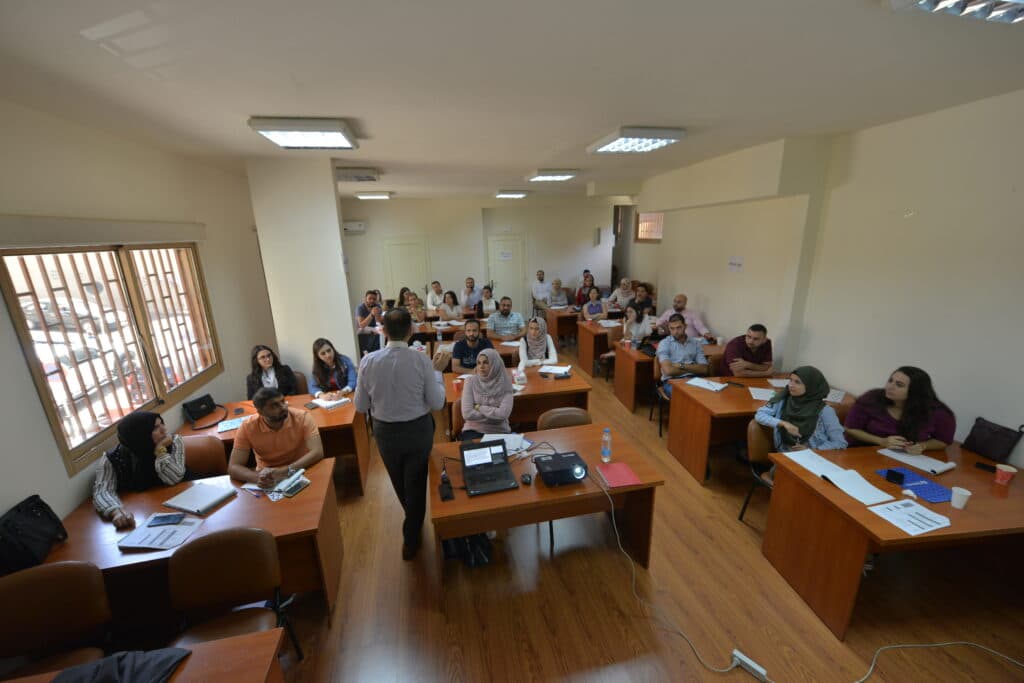
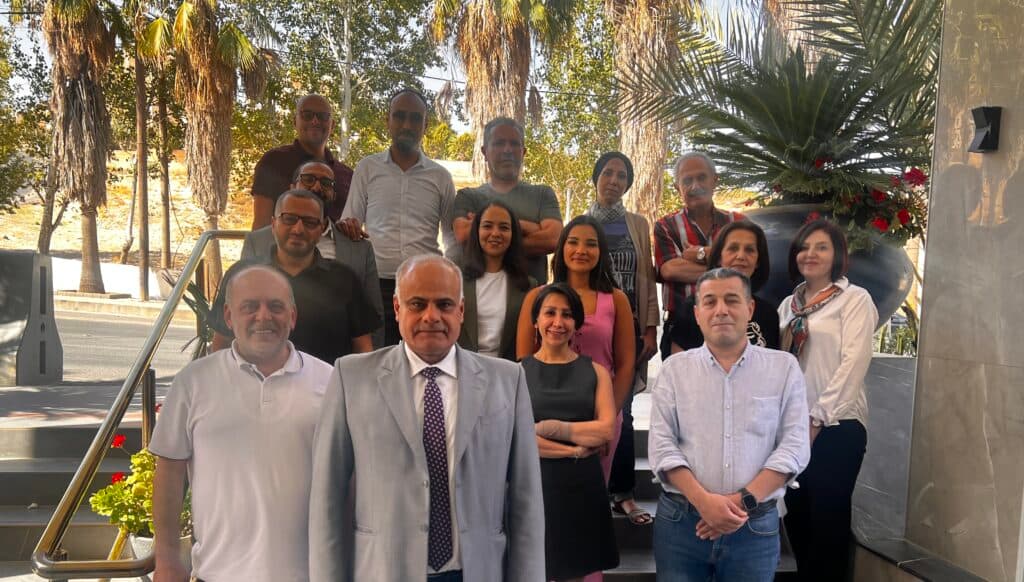
Strengthening regional understanding of IHL remains a core component of the Unit’s work. The team regularly organizes trainings, workshops, technical meetings, and capacity-strengthening initiatives for humanitarian workers, lawyers, legal practitioners, civil society organizations, students, journalists, and other stakeholders across the region.
Recent publications and news
Contact us
Our Middle East unit provides targeted advice on specific questions related to international law to actors working in the conflicts across the region. Advice is free of charge and your request will be treated confidentially. See here more information on our advisory service.
E-mail: info@ihlcentre.org