Africa
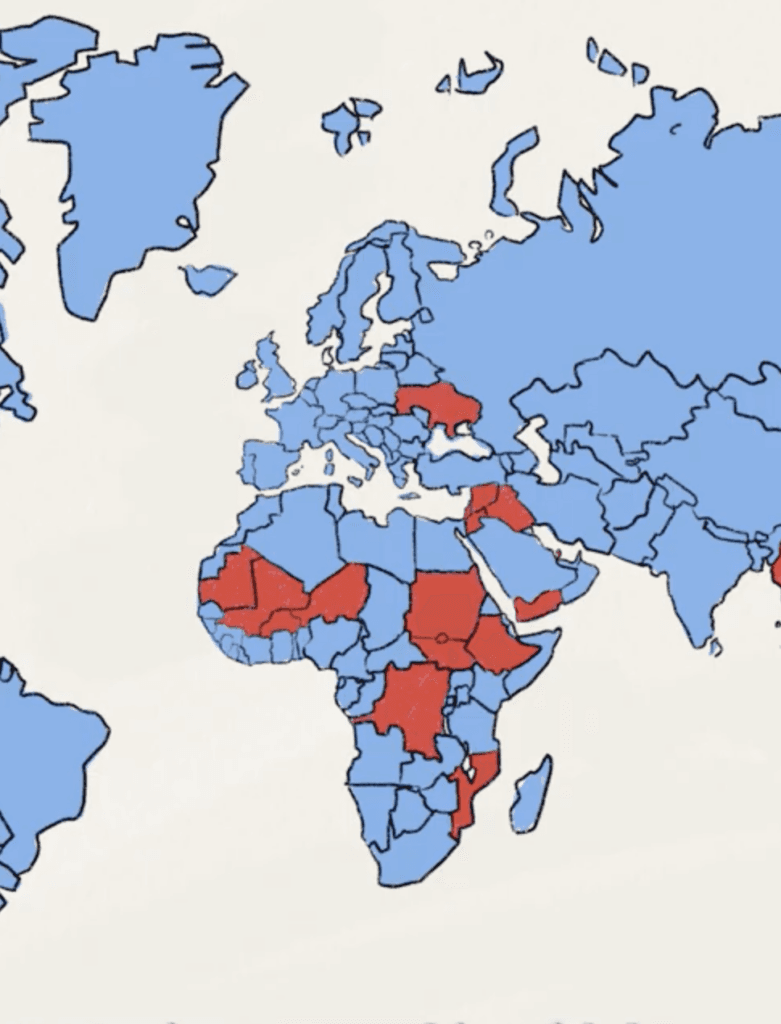
The IHL Centre’s Africa Unit works across Sudan, Mali, Ethiopia, the Democratic Republic of the Congo, Burkina Faso, Niger, South Sudan, and Mozambique to strengthen respect for international humanitarian law through legal analysis, advocacy, advisory support, research, humanitarian diplomacy, and capacity development.
Bridging legal frameworks, humanitarian operations, and regional diplomacy
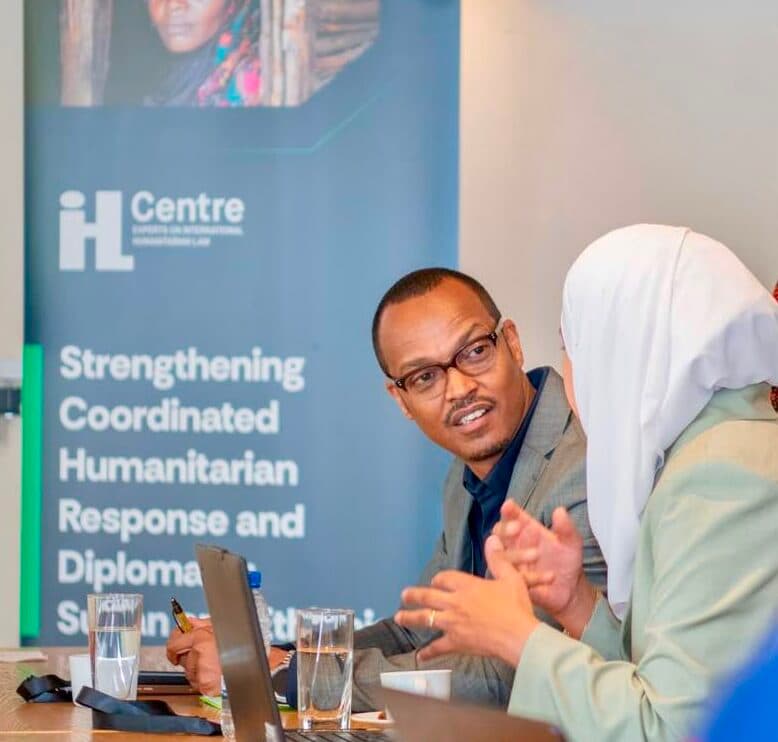
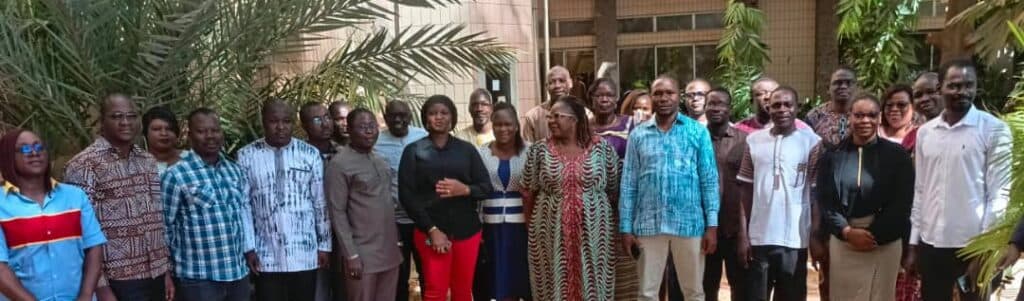
Working across East, Central, Southern, and West Africa, the IHL Centre’s Africa Unit collaborates with humanitarian organisations, local and national civil society actors, national human rights institutions, diplomatic missions, United Nations agencies, regional institutions, legal professionals, academics, and affected communities.
Through these partnerships, the Unit seeks to bridge the gap between international humanitarian law and the operational realities faced by those working in conflict-affected settings. It supports actors to use IHL more effectively in humanitarian decision-making, protection programming, access negotiations, monitoring and documentation, advocacy, and engagement with parties to armed conflict.
The Unit combines country-specific engagement with regional analysis and advocacy. This approach recognises that armed conflicts and their humanitarian consequences often extend beyond national borders.
Contact: info@ihlcentre.org
A Context-Sensitive and Operational Approach
The core strength of the Africa Unit lies in its context-sensitive and operational approach to international humanitarian law. Its legal advisers combine strong expertise in IHL with regional knowledge and direct engagement with humanitarian, civil society, diplomatic, and institutional actors. This enables the Unit to provide legal analysis and guidance tailored to the realities, sensitivities, and protection challenges arising in diverse conflict environments across Africa.
The Unit begins with the challenges experienced by actors on the ground. Through consultations, field engagement, advisory relationships, coordination mechanisms, and partnerships with national and local organisations, the team identifies the legal and operational questions that most directly affect humanitarian access, civilian protection, and the safety and security of humanitarian personnel. This engagement informs the Unit’s legal analysis, capacity-strengthening activities, and practical guidance. It also ensures that the Centre’s work responds to concrete operational dilemmas rather than approaching IHL solely as an abstract legal framework.
At the same time, the Unit connects operational concerns arising at country level with regional and global humanitarian diplomacy and advocacy. It engages diplomatic missions, donors, United Nations agencies, regional organisations, humanitarian coordination structures, and other policy actors to promote greater respect for IHL and more effective protection of civilians and humanitarian personnel. This connection between field realities and policy engagement allows the Unit to help translate operational protection concerns into legally grounded advocacy and diplomatic dialogue. It also enables diplomatic and policy actors to better understand how decisions taken at national, regional, and global levels affect humanitarian operations and conflict-affected communities.
Advisory services, legal analysis, and practical guidance
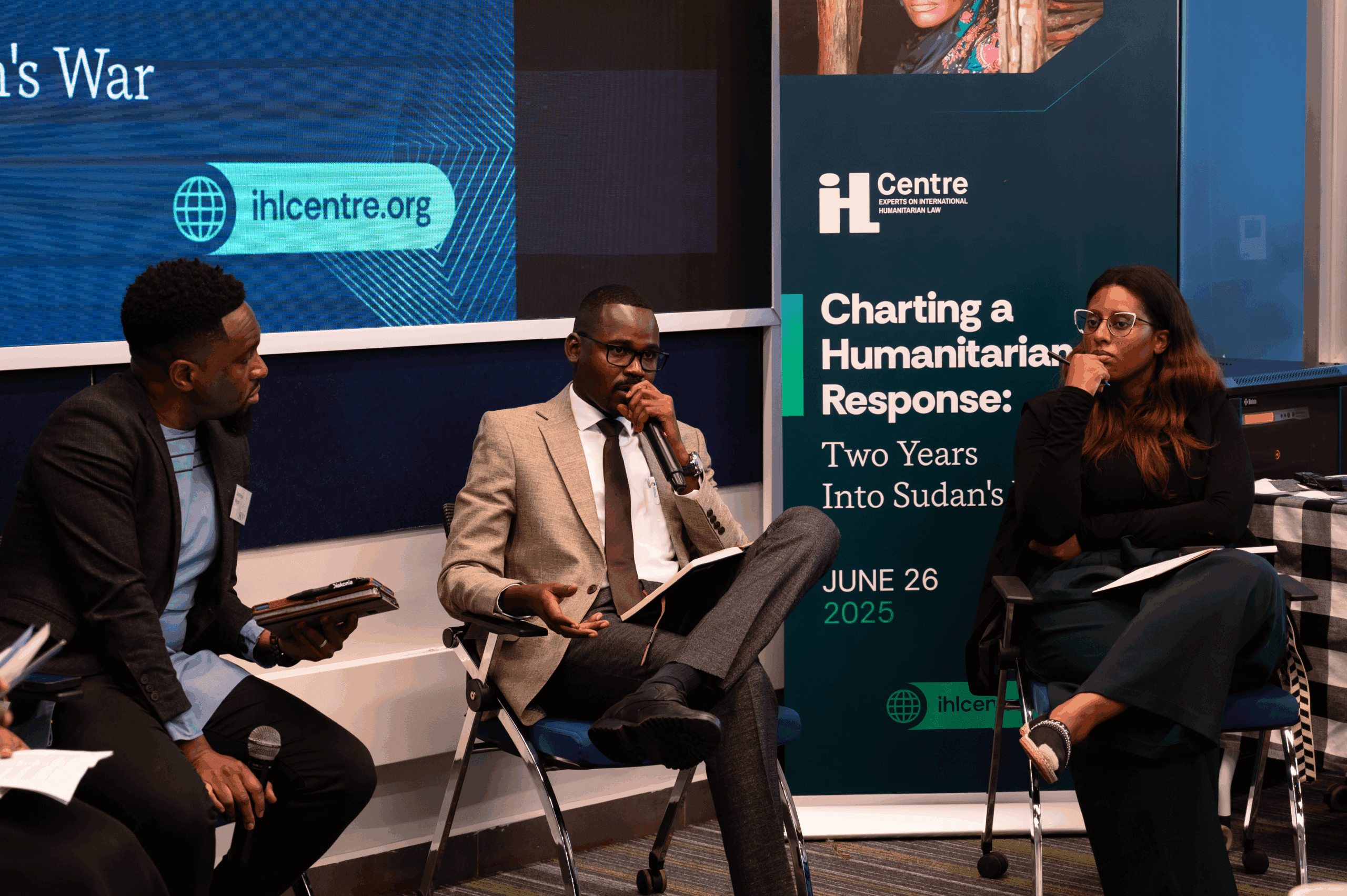
The Africa Unit provides free and confidential IHL advisory services to humanitarian organisations, civil society actors, national institutions, diplomatic stakeholders, and other actors working in or on armed-conflict situations.
The Unit supports partners on a broad range of legal and operational questions, including: humanitarian access and humanitarian relief operations; the protection of civilians and civilian objects; the protection of humanitarian and medical personnel; engagement with state and non-state armed actors; the classification of armed conflicts; the conduct of hostilities; displacement and the protection of displaced persons; conflict-related sexual violence; the monitoring, investigation, and documentation of IHL violations; cross-border and cross-line humanitarian operations; the interaction between IHL, international human rights law, and other relevant legal frameworks; and humanitarian diplomacy and IHL-based advocacy.
Alongside its advisory work, the Unit develops legal analyses, practical guidance, and accessible resources for humanitarian and local actors working in complex environments. These include rapid response analyses, legal briefs, technical briefings, legal explainers, training materials, webinars, and tools such as the Stockholm Manual. The Unit works in Arabic-, English-, French-speaking contexts and seeks to ensure that its analysis and resources are accessible, practical, and adapted to the needs of diverse regional and national actors.
Through these partnerships, the Unit seeks to bridge the gap between international humanitarian law and the operational realities faced by those working in conflict-affected settings. It supports actors to use IHL more effectively in humanitarian decision-making, protection programming, access negotiations, monitoring and documentation, advocacy, and engagement with parties to armed conflict.
The Unit combines country-specific engagement with regional analysis and advocacy. This approach recognises that armed conflicts and their humanitarian consequences often extend beyond national borders.
Zooming in and out
The Africa Unit combines detailed country-level engagement with a broader regional perspective. It “zooms in” to examine the specific legal classification, actors, protection concerns, access constraints, and humanitarian needs arising in an individual context. It also “zooms out” to understand how those developments connect with neighbouring conflicts, cross-border humanitarian operations, displacement patterns, regional political dynamics, and the conduct or influence of external actors.
This approach is particularly important in regions where conflict dynamics transcend national borders. Across the Sahel, developments in Mali, Burkina Faso, and Niger are closely interconnected through the activities of armed groups, regional security dynamics, population movements, and humanitarian access challenges that extend across national borders. In the Horn and East Africa, the humanitarian crises affecting Sudan, Ethiopia, and South Sudan have significant regional implications, including cross-border displacement, interconnected humanitarian needs, and the legal and operational challenges associated with cross-border and crossline humanitarian assistance.
In the Great Lakes region, developments in the Democratic Republic of the Congo are similarly shaped by broader regional dynamics. Armed conflict, displacement, humanitarian access, and civilian protection concerns frequently transcend national borders, requiring legal and operational analysis that considers both country-specific realities and the wider regional context.
Strengthening local and national capacity
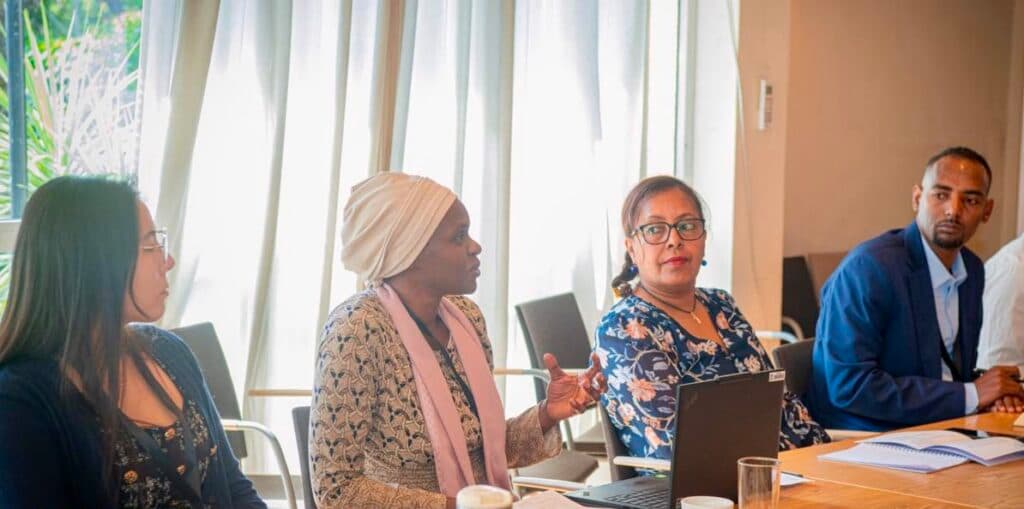
The Africa Unit places particular emphasis on collaboration with local and national humanitarian organisations, civil society actors, and national human rights institutions.
These actors often possess the strongest contextual knowledge and maintain sustained engagement with affected communities. However, they may not always have ready access to specialised IHL expertise or practical tools for integrating legal analysis into protection monitoring, reporting, advocacy, and humanitarian operations.
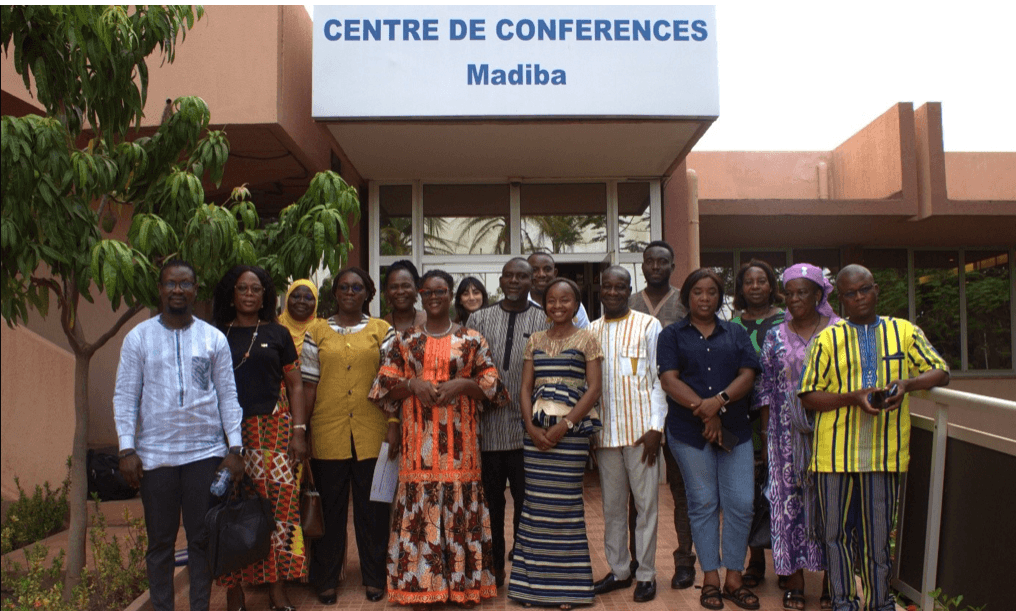
Through advisory support, training-of-trainers initiatives, institutional partnerships, and tailored capacity strengthening, the Unit supports greater national ownership of IHL knowledge and practice. This includes helping partners strengthen IHL-based monitoring, investigation, documentation, legal analysis, protection advocacy, and engagement with relevant authorities and armed actors.
The Unit also promotes peer exchange and cooperation among national institutions and civil society organisations across different African contexts, recognising that experience and good practice developed in one setting may offer valuable lessons for another.