Inclusive IHL: Closing the Gaps in Humanitarian Protection
9 January 2026The IHL Centre’s report entitled Inclusive IHL: Closing the Gaps in Humanitarian Protection was completed in 2025, following two-half years of development. The report reflects the work of the IHL Centre’s Expert Group on Inclusion, established in 2024 to advance understanding of how international humanitarian law (IHL) can - and must - be interpreted and applied in ways that reflect the diversity of civilian populations affected by armed conflict.
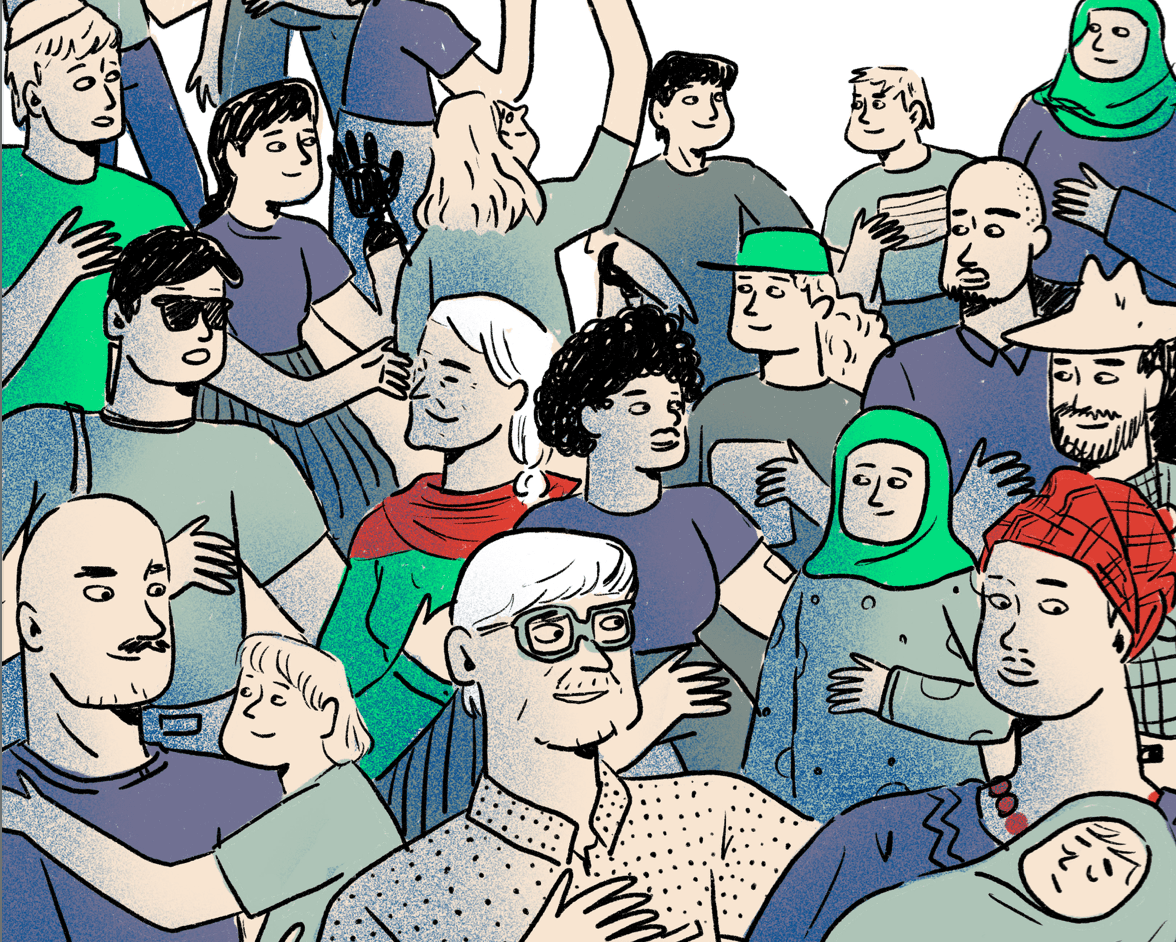
The rationale of the report is the simple but often overlooked reality: civilians are not a homogenous group. Age, gender, disability, ethnicity, sexual orientation, migration status, and the intersection of these identities shape how people experience harm during armed conflict. Yet, in practice, these realities are frequently overlooked by arms bearers during all phases of conflict including in targeting decisions, proportionality assessments, precautionary measures, detention practices, and the delivery of humanitarian assistance. The result is predictable and recurring protection gaps that undermine one of IHL’s fundamental purpose; to limit civilian harm.
The report makes clear that inclusion is not an optional policy add-on. It is a legal obligation inherent to IHL itself. Failing to account for known and foreseeable harms affecting different civilian groups risks rendering the application of IHL incomplete and, in some cases, unlawful.
Drawing on expert analysis and evidence from multiple conflict contexts, the report highlights how failure to apply IHL inclusively, leads to concrete harm. These harms include the presumption that men of fighting age are combatants, the failure to consider maternal and reproductive health impacts in proportionality assessments, the exclusion of persons with disabilities and older persons from evacuations ,and de facto forced displacement of ethnic minorities.
The report also situates inclusion within the IHL Centre’s broader work, including the development of the Stockholm Manual (A Practitioner’s Guide to Conducting IHL Assessments and Advocacy), launched in 2025. The Manual integrates the report’s findings to support more inclusive, legally grounded humanitarian advocacy, ensuring that IHL-informed analysis reflects the lived realities of affected populations.
Key recommendations set out in the report include calls on arms bearers and relevant authorities to:
- embed inclusion as a core legal requirement
- systematically integrate population diversity into operational decision-making
- address bias in targeting practices
- strengthen precautionary measures
- reinforce accountability mechanisms.
A downloadable version of Inclusive IHL: Closing the Gaps in Humanitarian Protection is available here and below. The global launch webinar took place on 12 February 2026, featuring a high-level panels of inclusion experts.
The IHL Centre extends its sincere thanks to the members of the Inclusion Expert Network for their invaluable insights and contributions to this report. The Centre is also deeply grateful to the European Union and Sida, whose valuable support made this work possible.