Africa- Where we work
The IHL Centre works across Sudan, Mali, Ethiopia, the Democratic Republic of the Congo, Burkina Faso, Niger, South Sudan, and Mozambique.
More information on each of the IHL Centre's priority contexts in Africa is provided below.
Sudan
Overview and why we work on this context
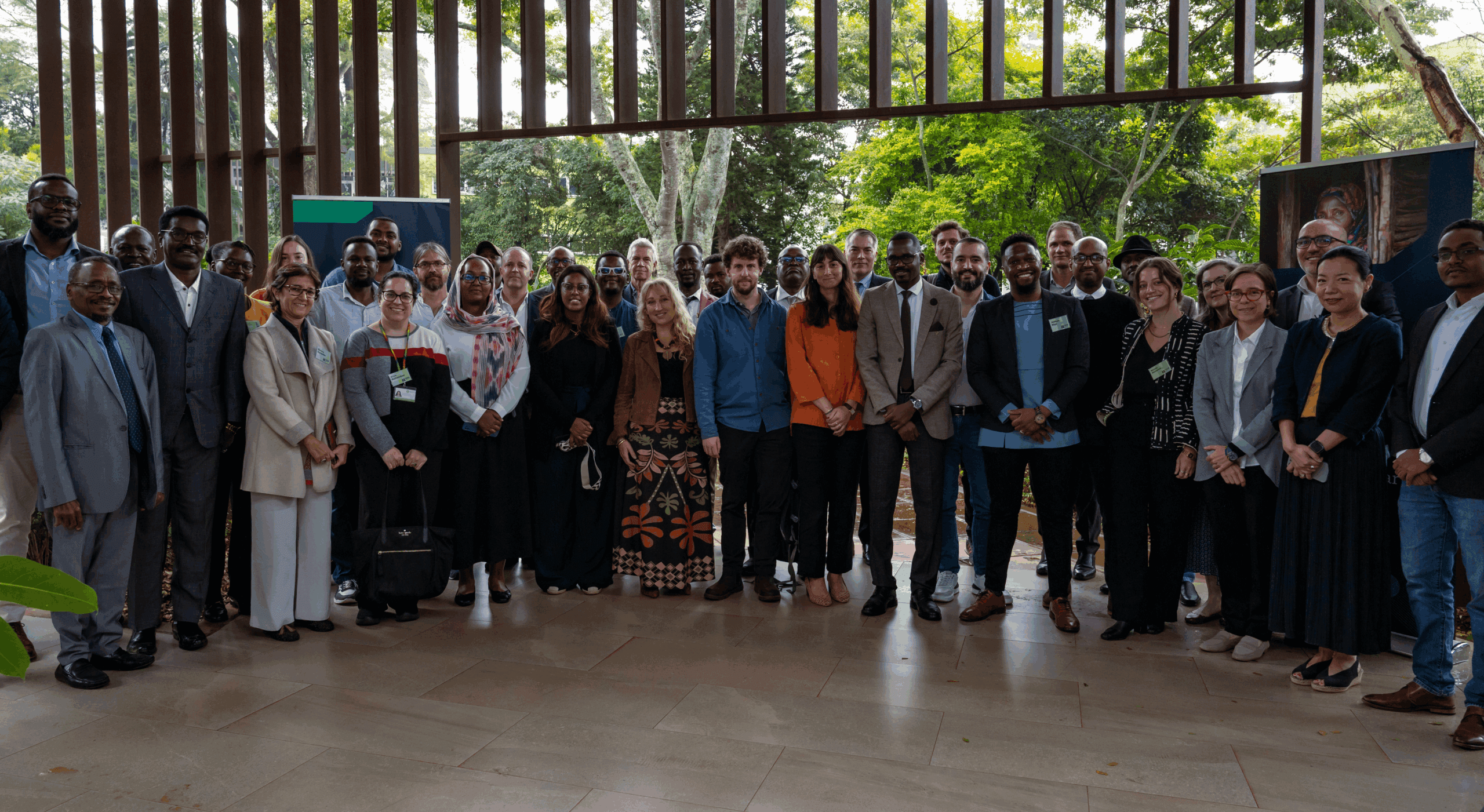
Sudan is experiencing one of the world’s largest and most complex humanitarian crises. Armed conflict has caused widespread civilian harm, mass displacement, acute food insecurity, the destruction and disruption of essential services, and severe restrictions on humanitarian access. Humanitarian organisations operate in an exceptionally challenging environment characterised by active hostilities, fragmented territorial control, attacks affecting civilians and humanitarian personnel, and rapidly evolving protection concerns. Sudan is therefore a priority context for the Africa Unit because of the scale of civilian harm, the complexity of the humanitarian response, and the urgent need for practical legal analysis and protection-focused engagement.
What we do
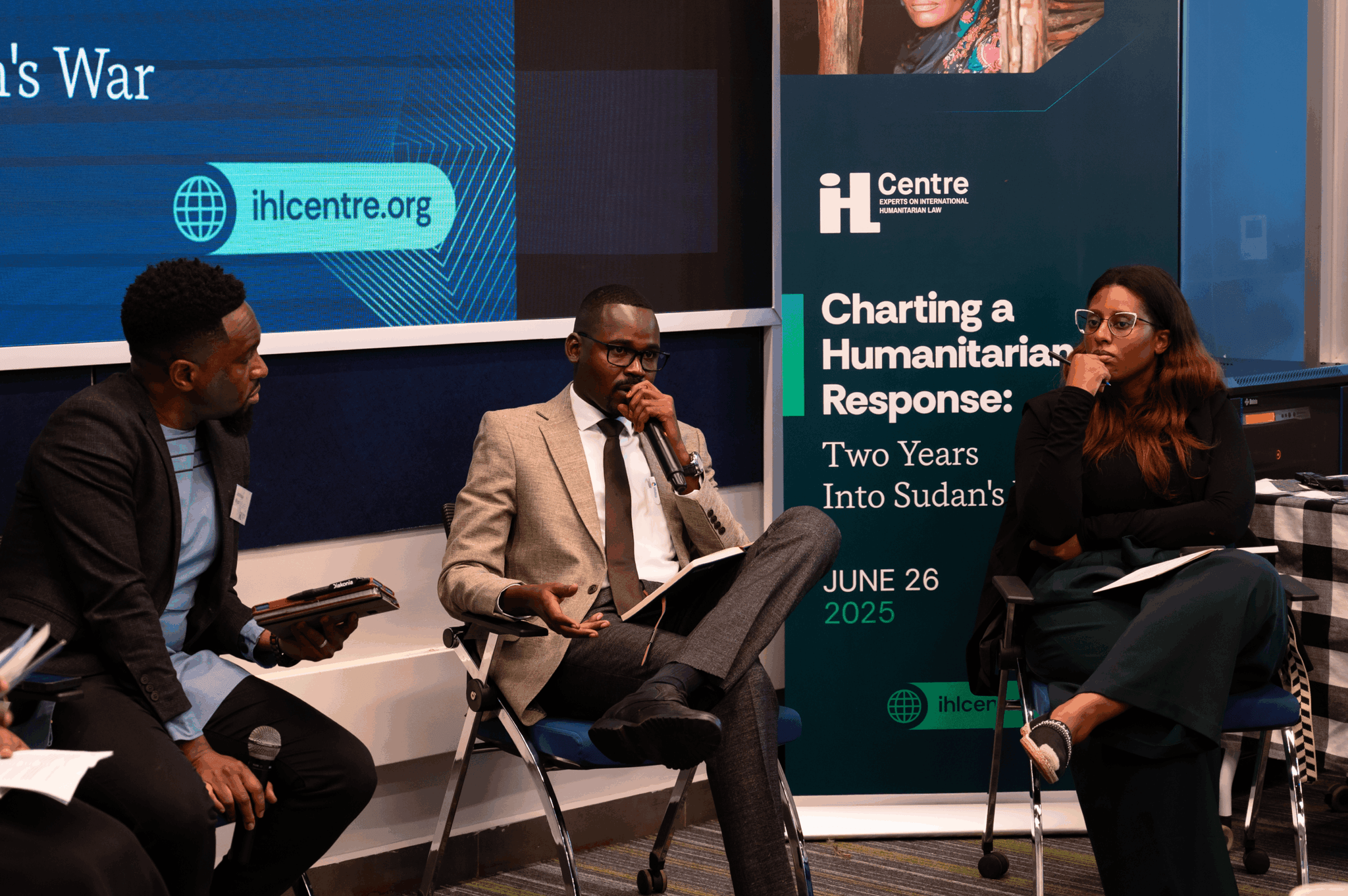
The Africa Unit provides confidential legal advice, rapid analysis, and operational support to Sudanese and international humanitarian actors responding to the conflict. Our work helps partners apply IHL in humanitarian decision-making, access negotiations, protection strategies, advocacy, and engagement with state and non-state armed actors. We work with Sudanese civil society and humanitarian organisations, international humanitarian agencies, diplomatic missions, donors, United Nations actors, and coordination mechanisms. The Unit also supports humanitarian diplomacy by convening and contributing to policy discussions that connect operational realities in Sudan with regional and international decision-makers. Through these engagements, we seek to strengthen IHL-based analysis, coordinated advocacy, and practical action to protect civilians and facilitate humanitarian operations. Given the sensitivity of the context, much of this engagement is confidential and delivered through trusted advisory relationships.
Mali
Overview and why we work on this context
Mali continues to face protracted armed conflict, insecurity, displacement, and significant humanitarian needs, particularly in the centre and north of the country. Civilians remain exposed to violence and other serious protection risks, while humanitarian and civil society actors operate in an increasingly constrained environment. Humanitarian organisations must navigate access restrictions, insecurity, counterterrorism-related measures, and sensitive engagement with state authorities and non-state armed actors. Strengthening the practical application of IHL remains essential to supporting humanitarian action and improving protection for conflict-affected communities.
What we do
Mali has served as an important anchor for the IHL Centre’s engagement across the Sahel. The Africa Unit works with humanitarian organisations, national institutions, and civil society partners to strengthen the operational application of IHL. We provide confidential legal advice, context-specific analysis, and capacity strengthening relating to humanitarian access, civilian protection, the conduct of hostilities, and other legal and operational challenges arising from the conflict. Our work has included long-term support to national institutions and civil society actors seeking to strengthen their capacity to monitor, investigate, document, and analyse violations of IHL. This includes protection concerns affecting women and children, conflict-related sexual violence, and the relationship between IHL and international human rights law. The Unit also connects protection concerns arising in Mali with wider humanitarian and diplomatic engagement across the Sahel, including through regional legal analysis, technical briefings, and dialogue with humanitarian and policy stakeholders.
Ethiopia
Overview and why we work on this context
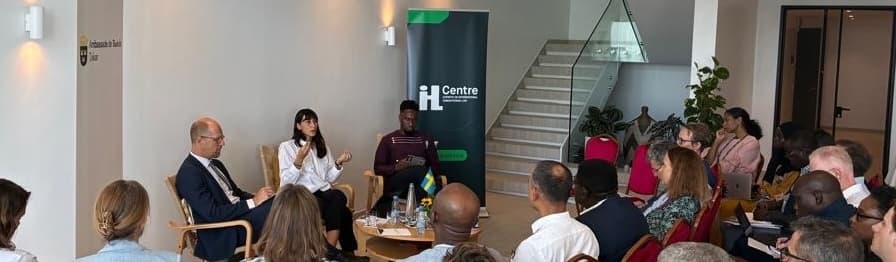
Ethiopia continues to experience conflict-related humanitarian and protection challenges in several parts of the country. Armed violence, insecurity, displacement, and restrictions affecting humanitarian operations have created complex and rapidly changing environments for affected communities and humanitarian actors. The country’s diverse conflict dynamics require careful, context-specific legal analysis. Humanitarian organisations must navigate questions relating to access, the protection of civilians, engagement with duty bearers and arms bearers, and the practical application of humanitarian principles and IHL in sensitive operational environments. Ethiopia is also an important centre for regional diplomacy and humanitarian coordination. Addis Ababa hosts the African Union, diplomatic missions, United Nations bodies, donors, and regional and international humanitarian actors, making it a significant location for connecting country-level protection concerns with wider humanitarian diplomacy and policy engagement.
What we do
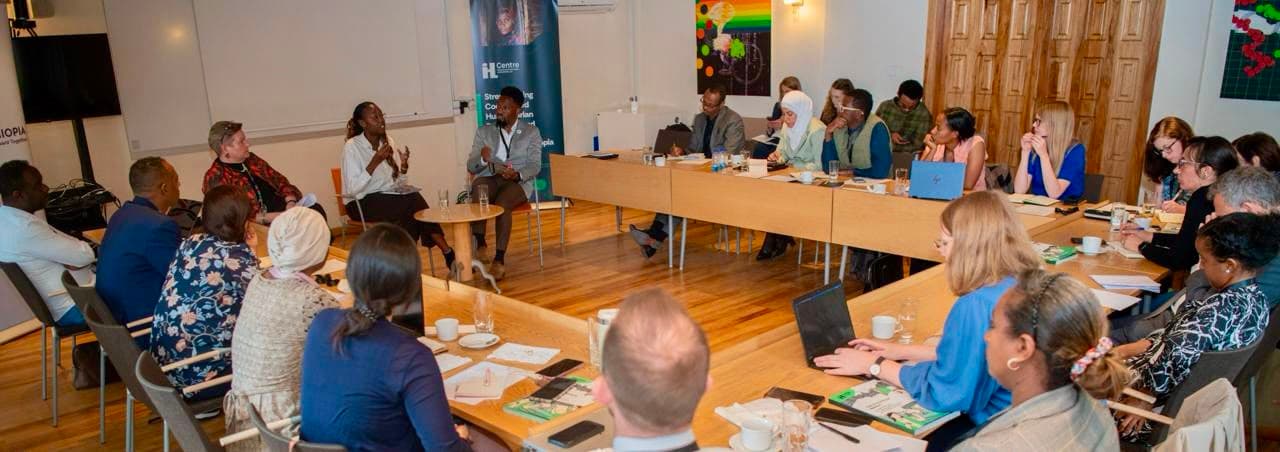
The Africa Unit works with humanitarian organisations, protection actors, access coordination mechanisms, civil society organisations, national institutions, diplomatic missions, donors, and other stakeholders to strengthen the practical application of IHL. Through our advisory service, tailored training, and technical support, we assist humanitarian actors in addressing access constraints, protection concerns, humanitarian negotiations, and engagement with duty bearers and arms bearers. Our work seeks to help partners move beyond general legal awareness and use IHL as a practical tool in protection programming, advocacy, coordination, and operational decision-making.
The Unit also works with civil society organisations and national institutions to strengthen IHL-based monitoring, investigation, documentation, and analysis of conflict-related violations and protection concerns. This support promotes the integration of IHL into national protection, reporting, and accountability-related processes while reinforcing the role of national actors in promoting respect for the law. Alongside this operational and institutional engagement, the Unit undertakes humanitarian diplomacy with diplomatic missions, donors, regional bodies, and humanitarian stakeholders. These engagements connect protection and access concerns identified on the ground with higher-level policy discussions and seek to foster stronger diplomatic support for IHL compliance, civilian protection, and the protection of humanitarian personnel.
Democratic Republic of the Congo
Overview and why we work on this context
The Democratic Republic of the Congo, particularly the east of the country, continues to experience intense and rapidly evolving armed conflict. Hostilities have caused widespread civilian harm, large-scale displacement, disruption of essential services, and significant humanitarian needs. The conflict involves numerous armed actors and has important regional dimensions. Questions relating to the involvement of neighbouring states, territorial control, conflict classification, and the conduct of hostilities create complex legal and operational challenges. Humanitarian organisations must also navigate insecurity, bureaucratic impediments, shifting front lines, and restrictions affecting access to populations in need.
What we do
The Africa Unit provides rapid legal analysis, confidential advisory support, and operational guidance to humanitarian organisations, diplomatic actors, donors, and other partners responding to developments in the DRC. Our work addresses issues including conflict classification, the involvement of external actors, territorial control and occupation-related questions, humanitarian access, civilian protection, and the application of IHL to rapidly changing operational circumstances.
We support humanitarian organisations to use legal analysis in access negotiations, protection advocacy, strategic engagement, and internal decision-making. We also provide technical briefings and rapid assessments that help diplomatic and policy actors understand the legal and humanitarian implications of developments on the ground. Through its regional approach, the Unit situates developments in the DRC within the wider dynamics of the Great Lakes region, recognising that conflict, displacement, humanitarian access, and civilian protection concerns frequently transcend national borders.
Burkina Faso
Overview and why we work on this context
Burkina Faso continues to face armed conflict, widespread insecurity, displacement, and serious civilian protection concerns. Humanitarian space has become increasingly constrained, while humanitarian and civil society organisations face significant challenges in reaching affected populations and maintaining principled operations. Restrictions imposed by authorities, counterterrorism measures, insecurity affecting humanitarian personnel, and the activities of armed groups create complex legal and operational dilemmas. National and local actors also require sustained support to monitor protection concerns and promote respect for IHL.
What we do
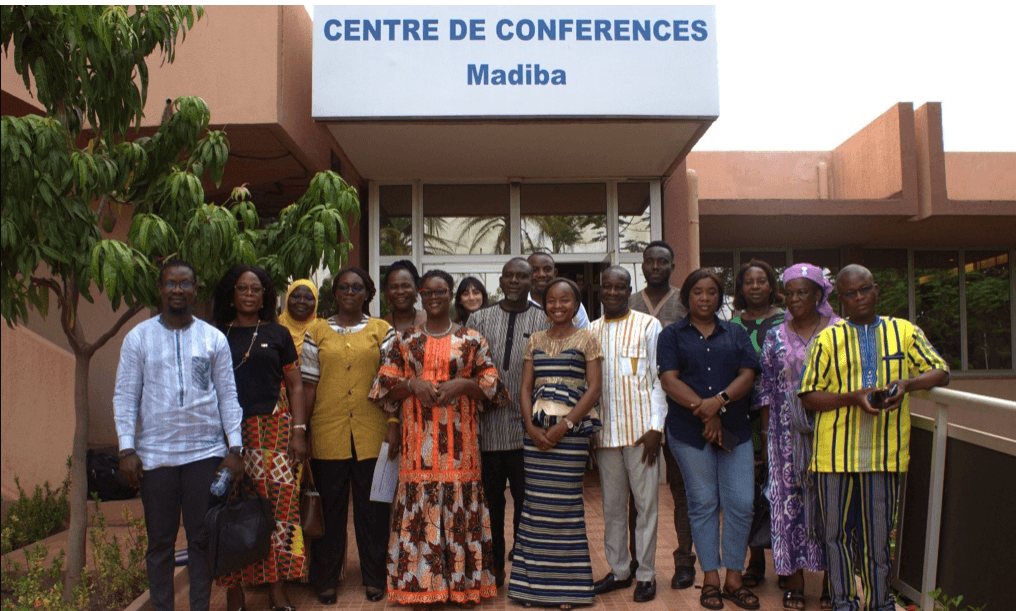
The Africa Unit provides practical legal advice and confidential support to humanitarian organisations, civil society actors, and national institutions working to protect civilians and sustain humanitarian access. Our work includes legal analysis and advisory support on the framework governing humanitarian operations, engagement with authorities and other relevant actors, and the integration of IHL into protection strategies and advocacy. The Unit has also worked with civil society organisations and national human rights and IHL institutions to strengthen understanding of the complementary roles of IHL and international human rights law, including in relation to the protection of women, children, and humanitarian personnel. Where public analysis is not appropriate, we provide discreet technical advice, rapid legal assessments, and tailored support responding to sensitive operational and protection challenges.
Niger
Overview and why we work on this context
Niger faces complex humanitarian and protection challenges arising from armed conflict, insecurity, displacement, and regional instability across the central Sahel and the Lake Chad Basin. Humanitarian actors operate in areas affected by the activities of armed groups, security operations, access restrictions, and changing political and regulatory conditions. These challenges require context-sensitive legal guidance to support principled humanitarian action and effective protection advocacy. Developments in Niger are closely connected with conflict dynamics in neighbouring countries, including Mali, Burkina Faso, Nigeria, and Chad. A regional perspective is therefore important to understanding the humanitarian consequences of insecurity and the challenges facing affected populations and humanitarian responders.
What we do
The Africa Unit supports humanitarian actors in Niger through confidential advisory services, capacity strengthening, and operationally relevant legal guidance. Our work helps partners apply IHL in humanitarian access negotiations, protection advocacy, engagement with authorities, and internal operational decision-making. We also contribute to raising awareness among armed actors in Niger on the respect of IHL, through the support provided to our local partners. In addition, we support the use of practical tools, including the Stockholm Manual, to strengthen the monitoring, analysis, and communication of civilian harm and other protection concerns. Through the Unit’s regional engagement across the Sahel, legal and operational questions arising in Niger also inform wider analysis and humanitarian diplomacy concerning cross-border conflict dynamics, regional protection risks, and restrictions affecting humanitarian action.
South Sudan
Overview and why we work on this context
South Sudan continues to experience armed violence, political instability, intercommunal conflict, displacement, and acute humanitarian needs. Civilians remain exposed to attacks, forced displacement, conflict-related sexual violence, the destruction or looting of civilian infrastructure, and disruptions to essential services. Humanitarian organisations operate in a difficult environment where insecurity, access restrictions, attacks and threats affecting humanitarian personnel, and engagement with diverse armed actors remain central operational concerns. The country’s humanitarian situation is also closely connected with regional developments, particularly the conflict in neighbouring Sudan and associated population movements and humanitarian pressures.
What we do
The Africa Unit supports humanitarian and protection actors working in South Sudan through confidential advisory services, legal analysis, and operational guidance on IHL. Through context-specific advice, rapid legal analysis, technical briefings, and capacity strengthening, we assist organisations in integrating IHL into operational planning, humanitarian negotiations, advocacy, and protection programming. The Unit also engages diplomatic, donor, and policy stakeholders to connect operational concerns arising in South Sudan with wider humanitarian diplomacy and regional efforts to promote civilian protection and respect for IHL.
Mozambique
Overview and why we work on this context
Northern Mozambique, particularly Cabo Delgado Province, continues to experience armed conflict, displacement, and serious protection concerns. Civilians face insecurity, attacks, disruption of livelihoods and essential services, and repeated displacement. Humanitarian actors operate in an environment affected by insecurity, changing conflict dynamics, access constraints, and the involvement of state forces, local armed formations, and international or regional security actors. These circumstances create complex questions concerning the protection of civilians, the civilian character of displacement sites, and the application of IHL in humanitarian operations.
What we do
The Africa Unit supports humanitarian organisations and protection actors in Mozambique through context-specific legal advice, operational guidance, and capacity strengthening on IHL. Our advisory services help organisations identify how IHL applies to concrete operational dilemmas and integrate legal standards into protection strategies, humanitarian negotiations, programme design, and decision-making. Where appropriate, we also support partners through rapid legal analysis, tailored training, technical briefings, and practical tools such as the Stockholm Manual.