Diakonia’s Annual Report 2025
Throughout 2025, growing inequality, conflict and shrinking support for international development have made the fight for justice more urgent than ever. Yet there is hope.
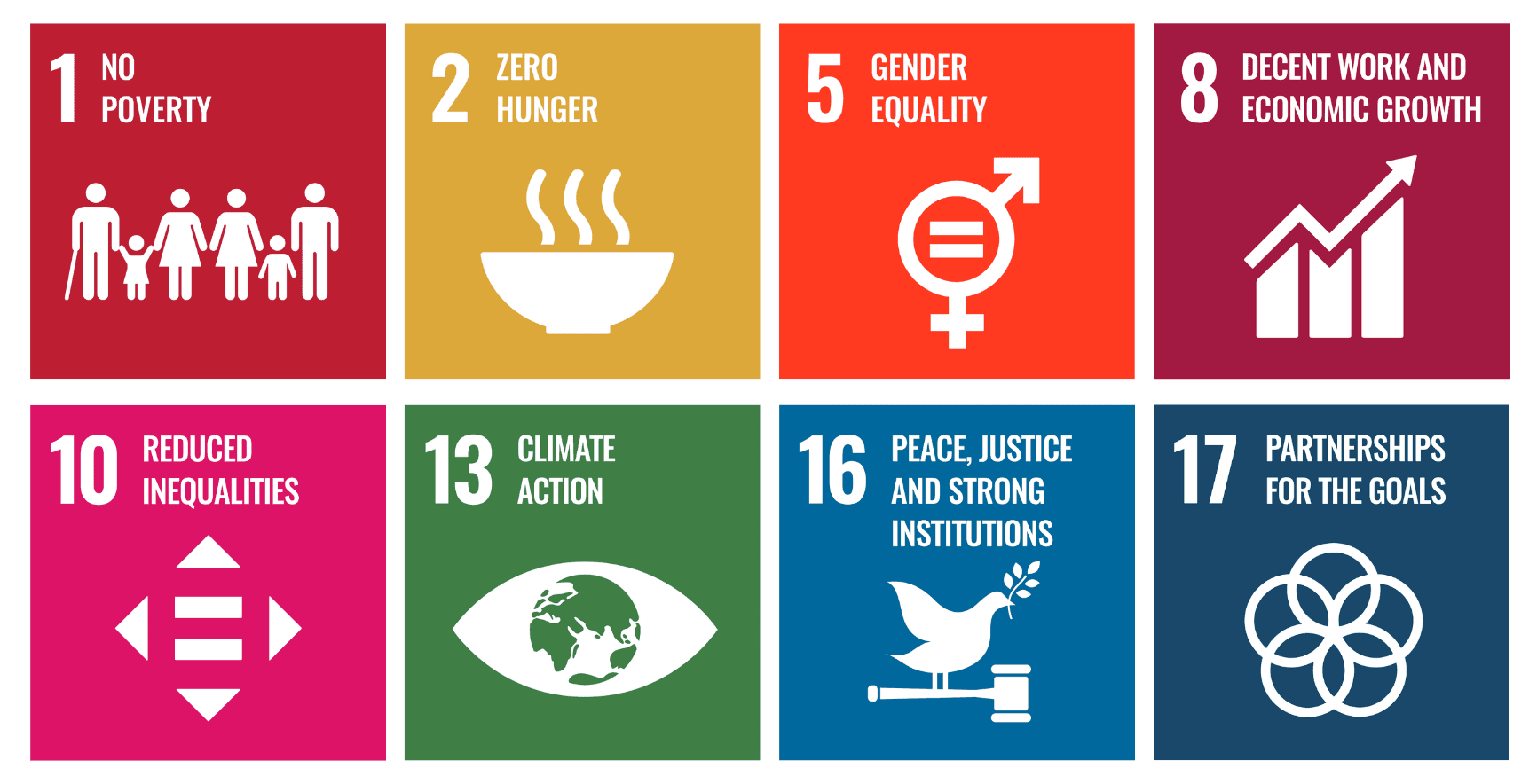
Around the world, people continue to organise and drive change. For 60 years, Diakonia has worked alongside local partner organisations to strengthen human rights, gender equality and sustainable development. Together, we know that lasting change is possible—and that people united by solidarity and courage can build a more just and sustainable world.
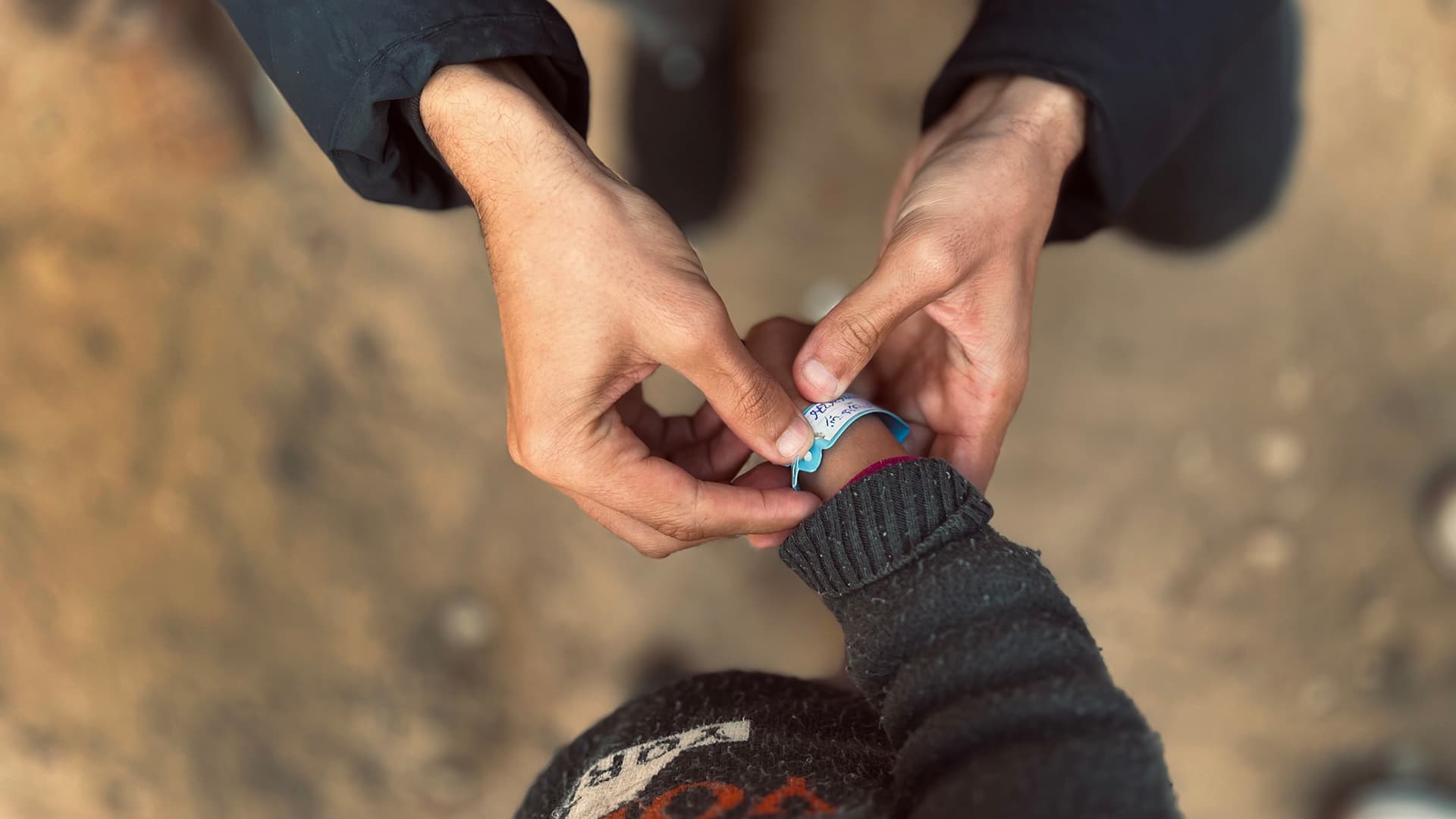
Header photo: The ceasefire provided breathing space. In early 2025, there was a brief pause in the fighting in Gaza. It enabled hundreds of thousands of families to return home. In order to reduce the risk of children getting lost in the commotion, Diakonia’s partner organization, the Tamer Institute, distributed bracelets with parents’ names and phone numbers.
2025 in brief
Breakdown of costs
92 percent on our Activities
6 percent on Fundraising costs
2 percent on Administration
56.4
million Swedish kronor collected from
private individuals, congregations,
foundations and companies.
APPROX.
300
locally rooted movements and
organizations in Africa, Asia, Latin
America and the Middle East.
382
million Swedish kronor in operational expenses.
Arts festival empowers youth affected by war
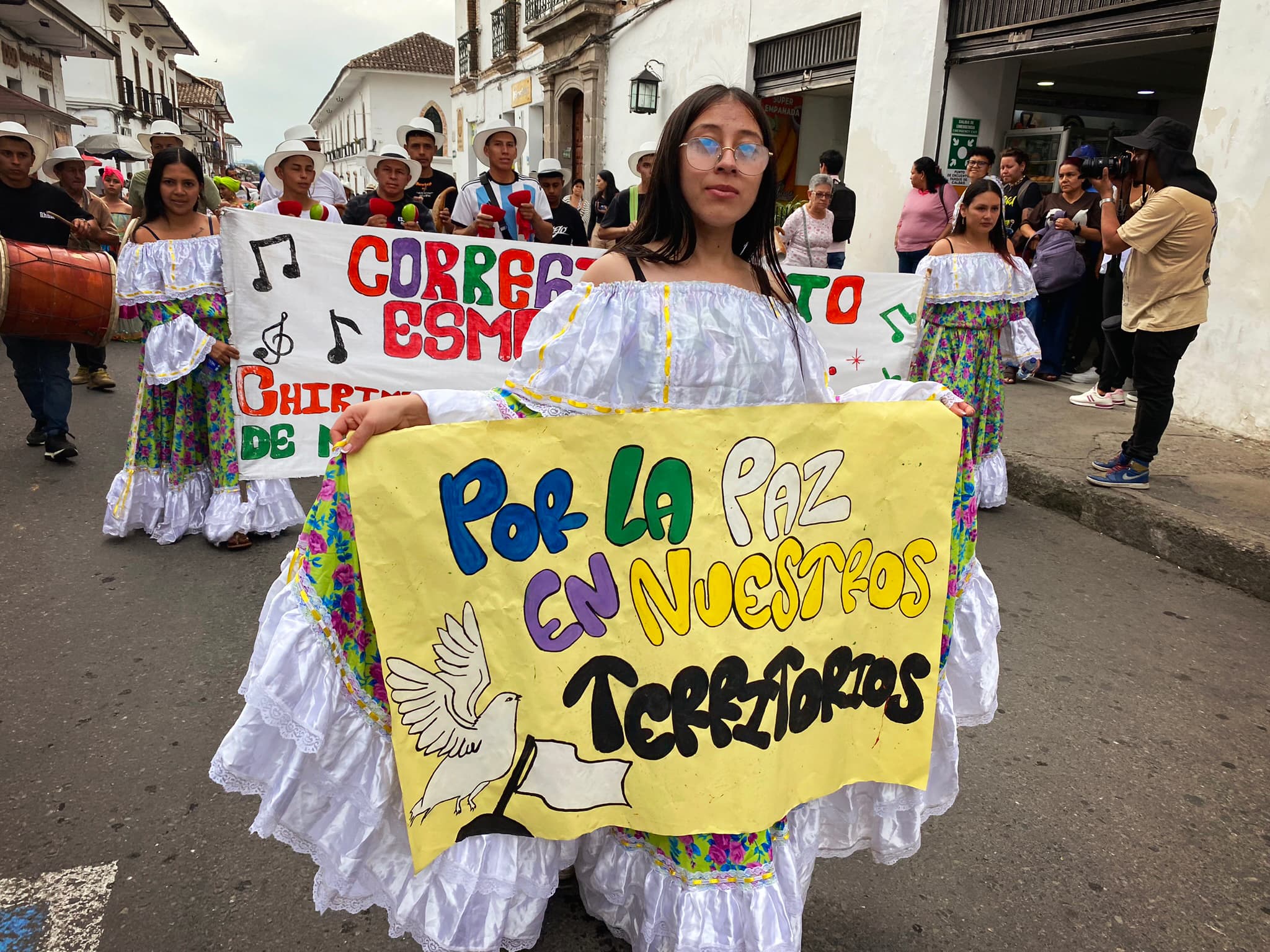
Colombia. In Colombia, millions of people are living in constant fear, in the midst of war and conflict. The Cauca region is home to more than ten armed groups, almost all of which are involved in drug trafficking. In Colombia, Diakonia supports 21 organizations working for human rights. In December, young people belonging to Diakonia’s partner organization Comité de Integración del Macizo Colombiano, Cima, organized an arts festival for peace. Two hundred young people from war-torn rural Cauca took part. Through music, dance and art, they shared their experiences, gathered strength and supported each other. The photo shows Karen Daniela Navia Pino. Photo: Andrés Piscov
10
10 countries are part of Diakonia’s regional program for gender equality in Latin America.
Withdrawal of support affects the fight for democracy
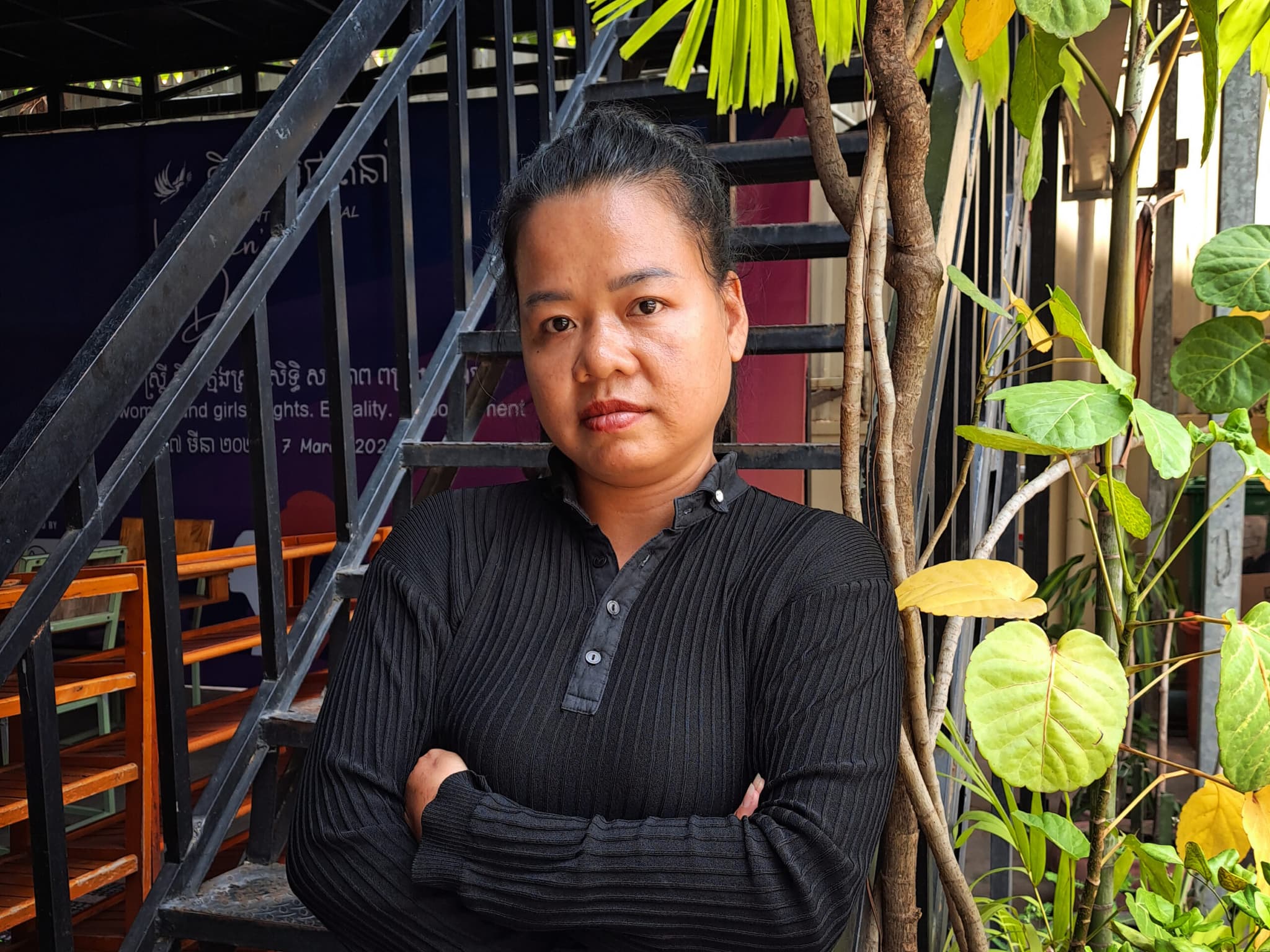
Cambodia. Channary from Cambodia, along with her female colleagues, has been fighting to escape sexual harassment at work and to earn a living wage. It has been a tough and dangerous struggle. There is strong resistance from the management at their workplace, and Channary has been imprisoned for speaking out about working conditions at the casino where she works. But their fight has paid off. Today, people are more aware of their rights, and democratic development is slowly moving forward. But when the Swedish Government decided to suspend support to Cambodia, the democracy movements were left to their own devices, causing great concern about the future. Channary is a fictitious name.
125
125 congregations made a donation to Diakonia in 2025.
Clean water stops cholera
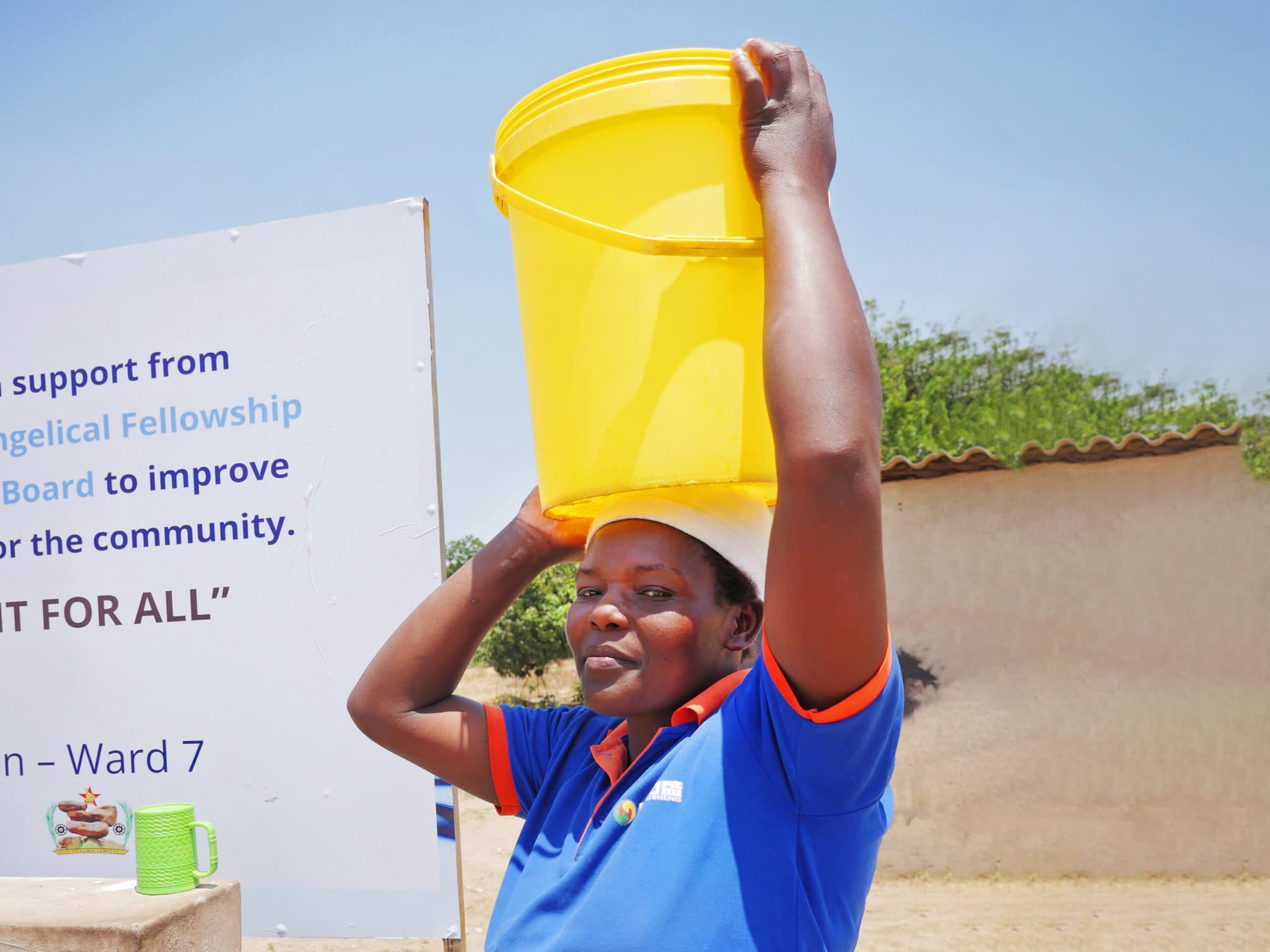
Zimbabwe. Climate change is increasingly extending drought periods in Zimbabwe. And every year, many people in the country are impacted by cholera outbreaks during these droughts after drinking dirty water. When Diakonia’s partner organization, Evangelical Fellowship of Zimbabwe , drilled new wells, the level of disease decreased. Hilda Chiweto and her children now have access to clean water, and the children do not get sick as often. Clean and safe water helps prevent disease
outbreaks, a sustainable investment in people’s lives.
18
Diakonia has supported 18 disaster initiatives.
Our partner organisations are on the ground before, during and after disasters strike. Throughout 2025, we supported emergency responses in Palestine, Myanmar following the devastating earthquake, and Zimbabwe during a cholera outbreak.
Mobile clinics provide access to health care
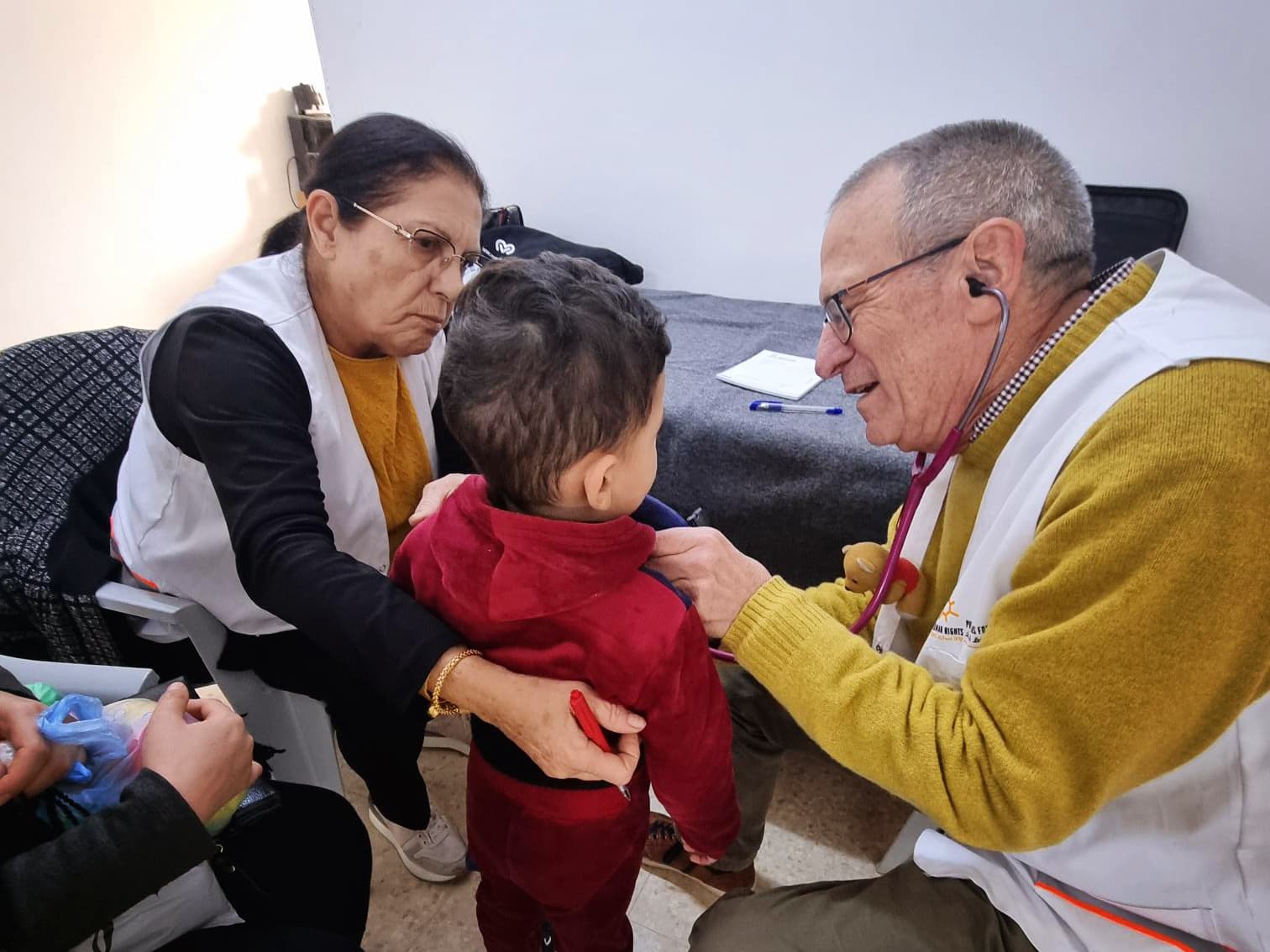
Palestine. In the shadow of the war in Gaza, the situation in the West Bank has escalated. During the year, the number of illegal Israeli settlements grew significantly, settler violence increased and the displacement of the civilian population became increasingly widespread. This has exacerbated an already difficult humanitarian and economic situation. For example, Palestinians have been prevented from seeking medical care. Diakonia’s partner organization Physicians for Human Rights – Israel (PHRI) has regularly crossed the border into the West Bank with its mobile clinics. They provide medical care and distribute medicines to Palestinians unable to seek care in other ways. Photo: Physicians for Human Rights (PHRI)
98 200
people in Egypt have been reached by a digital awareness campaign regarding online violence.
What do the law of armed conflict say?
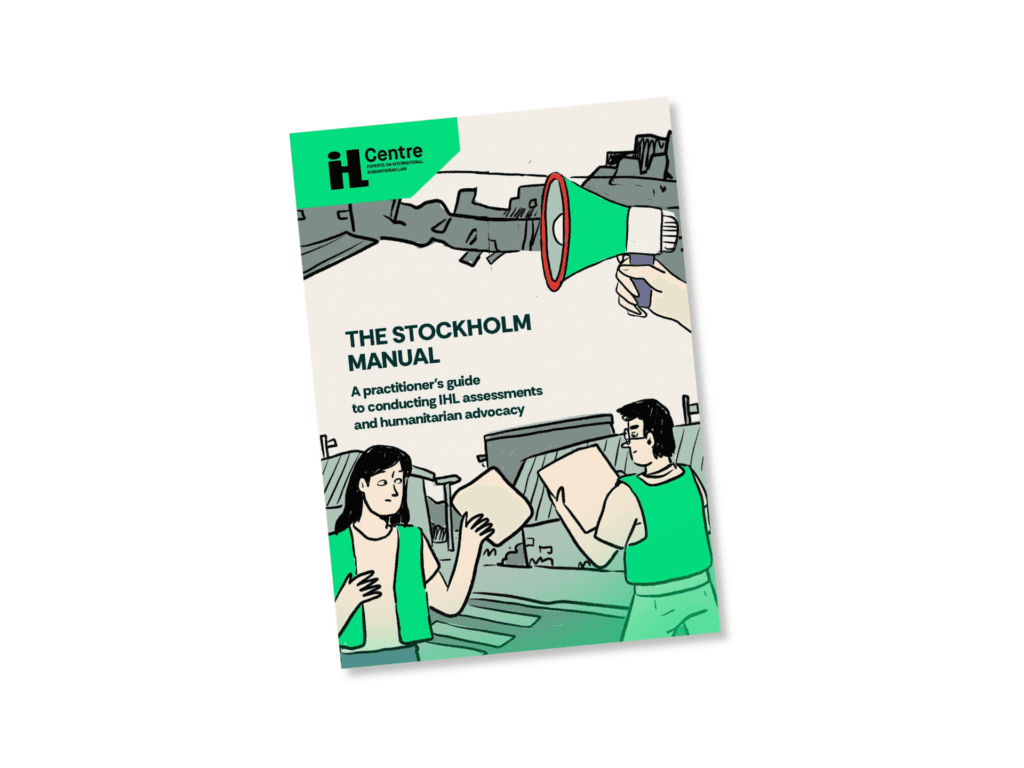
International humanitarian law (IHL), sometimes also referred to as the law of armed conflict, is the main framework for protecting civilians in armed conflict. In an era when compliance with international humanitarian law is under threat, Diakonia’s IHL Centre launched the Stockholm Manual. A guide making it easier for humanitarian actors to understand IHL and identify deficiencies in compliance. The manual has been launched globally, with physical launches in Stockholm, New York and Brussels. A launch was also held in Nairobi in early 2026.
YEAR IN REVIEW BY MATTIAS BRUNANDER AND PETHER NORDIN
NO TIME TO WAIT
In the depths of despair, hope springs eternal
Things are hard to bear right now. Many of us are feeling this way. Anyone who is in any way committed to justice, human rights, peace and gender equality probably does. The negative trend we have observed for several years has continued and worsened over the past year. Lies and slander are rewarded, and dishonesty, greed and might is right trump, or at least challenge, a rules-based international order. It is hard to watch. Much of the rhetoric over the past year has been controlled from the US, with Trump fuelling racism and xenophobia, closing USAID and launching ‘peace projects’, which actually aim to increase his own wealth and power and that of US corporations. In Sweden, we have had a government that is cutting development cooperation to the world’s poorest and most vulnerable people while throwing well-integrated immigrants out of the country and allowing the gap between rich and poor to widen.
"Around the world, the sabre-rattling is growing louder."
The world is rearming
In Europe, the war in Ukraine continues, and around the world the sabre-rattling is growing louder. A few months into 2026, the United States and Israel attacked Iran, with devastating consequences. The war in Sudan has displaced millions of people. In Myanmar and Nicaragua, the oppression is worsening and in Gaza, despite the long-awaited ‘ceasefire’ imposed towards the end of 2025, the suffering continues. On top of all this, the effects of climate change are becoming increasingly evident. There is no shortage of gloomy and frightening reports from around the world. The global tone is certainly not very positive.
There is hope
Yet – and this is what is so astonishing – in the midst of the deepest despair, hope springs eternal. Because we recognise that people living in vulnerability, under threat, oppression and in poverty cannot wait. In Sweden and around the world, we are seeing how people who have had enough are rising up and demanding change. Getting organized. Seeking ways to create a better society. Standing up and loudly voicing their criticism against the inhumane decisions of those in power. Not only in matters concerning themselves and their own futures. Every day, we and our colleagues at Diakonia are witnessing how people are getting involved out of love for their neighbour. Ready to fight, about matters big and small, for those in need. And we are seeing that it actually does have an impact. When people join forces and demand change – that’s when societies can be transformed. Sometimes it happens quickly, but often it takes many years of persistent struggle.
60 years of Diakonia
We, if anyone, know that long-term work pays off. Now, in 2026, we will be celebrating 60 years of activity, so we have some knowledge and experience behind us. The story of Diakonia began back in 1966 when India was hit by a severe famine. When the news reached Sweden, a lot of people wanted to contribute, and the free churches joined forces in a fundraising campaign. Frikyrkan hjälper became the seed that would germinate and grow and that today is Diakonia, the development organization of the Uniting Church in Sweden and the Swedish Alliance Mission. It became clear to us early on that disaster initiatives can be crucial, but also that emergency relief is not enough. With strategic, long-term development cooperation, we can prevent and mitigate disasters. And we quickly realised that all development work achieves the best results when those who really know the reality, the people on the ground, are involved in making the important decisions. Because we know that people in vulnerable situations know best what they need. At an early stage, we chose to work with and strengthen local organizations, rather than running our own projects. We don’t want to risk building up parallel structures or providing support that isn’t needed or doesn’t work.
"People in vulnerable situations know best what they need."
Our origins and our values are important to us. Diakonia was born out of a quest for justice and the churches’ own struggle for freedom. Being a voice for justice is a common theme throughout the Bible, and it guides us in our work. We bring our history, our experience and theology with us today as we work for human rights, for a just, equal and sustainable world.
Money is not everything
When we talk about development cooperation, many people perhaps only think about the financial support we provide to our partner organizations, and that is important. But the relationship itself is also important: that we are there, that we work together to change the political, economic, social and cultural structures that keep people in poverty and oppression. And for everybody’s right to live a dignified life. For us, solidarity, justice and courage are at the heart of what we do. And our partner organizations should know that we are an ally they can trust.
We have been around for 60 years. 60 years! Of course, we wish we didn’t have to exist at all. At the same time, we must take the opportunity to remember all that has happened during our 60 years. Because even if the world looks dark today, so much has improved since 1966. We have seen that it’s possible to influence societal development. We know that it is people who are changing the world.
"Sometimes we need to look back and actually appreciate the progress that has been made."
Sometimes we need to look back and actually appreciate the progress that has been made. Because even if things look dark now, the world has become more gender-equal and poverty has decreased. In 1981, more than four out of ten people in the world were living in poverty; forty years later, this had fallen to less than one in ten. Between 2000 and 2022, child mortality was halved. When the landmark UN Conference on Women was held in Beijing 30 years ago, only 12 countries in the world had laws against gender-based violence. Today, 193 countries have such legislation in place, and over 100 countries have trained police officers to deal with women who are victims of violence. This has not taken place automatically. There have been brave people who have pushed for change, political decisions that have been taken and financial investments that have been made. And that work continues, like a flickering flame, a light in the darkness, even when the world seems black as night. We have seen so many examples of this over the year.
Rubbish and gender equality
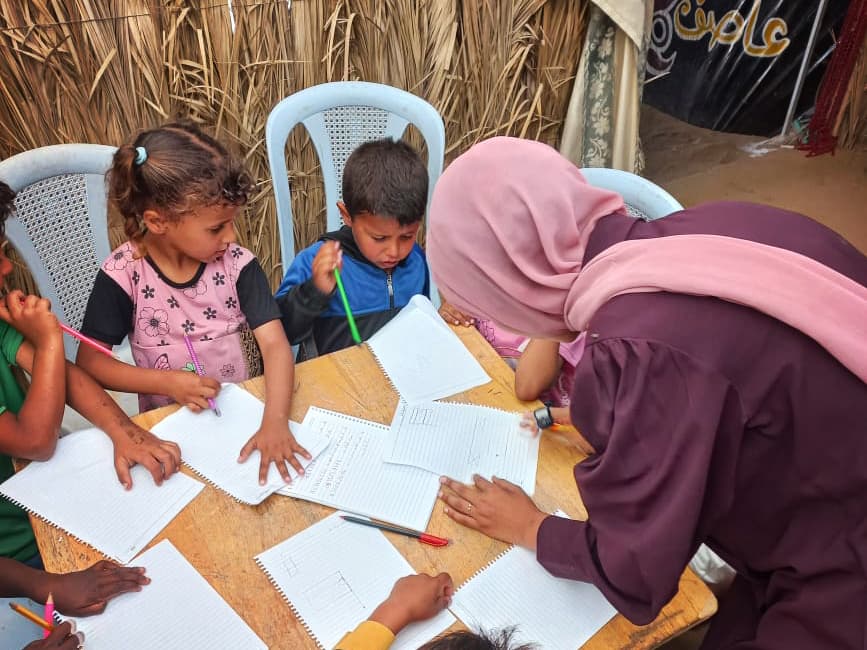
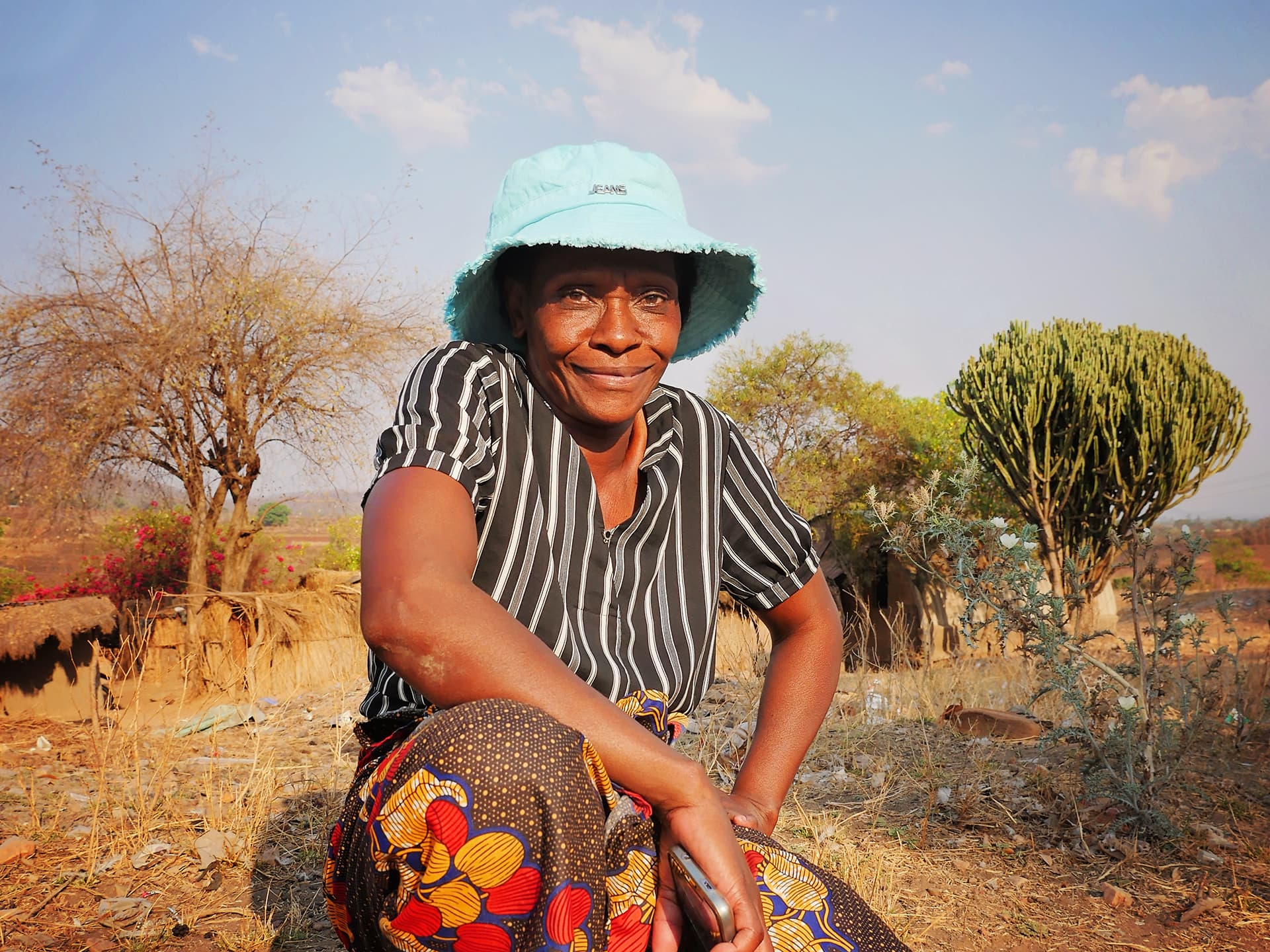
Like in Zimbabwe, where we saw first-hand how strategic and comprehensive work at the local level has led to gender equality plans and budgets becoming a matter of course for citizens and local decision makers. Women and young people have gained more influence in politics, and the number of women eligible for election has increased. Moreover, more businesses are now being run by women. And throughout communities (even on the rubbish trucks!) there is important information about gender-based violence and how victims can get help. In Gaza, 1 200 children have attended the schools of our partner organization, the Tamer Institute, and received grades in mathematics, Arabic and other subjects. This has meant they have avoided putting their entire lives on hold. Children who have lost their parents, been injured in war or have disabilities have been prioritised. The Tamer Institute has also provided children with psychosocial support, organized story time, creative play, music and dance, both in Gaza and on the West Bank, where violence has further escalated over the past year.
Strong commitment in Sweden
In Sweden, commitment to the children of Gaza was strong. Diakonia, along with several other organizations, participated in demonstrations and rallies demanding action from our Swedish politicians. In congregations across the country, people have shown their support for the children of Gaza. It is always so wonderful and inspiring to visit our congregations. To come face to face with the amazing drive, all the knowledge and all the initiatives being taken. During the year there was a children’s market in Fiskebäck, a concert in Alingsås, a Walpurgis collection on the island of BohusBjörkö, these being just a few examples of all the fantastic work being done. There are also all the second-hand shops, which make their contribution to Diakonia’s important work. It is also great to meet all the donors who financially support Diakonia’s activities. Without you, our work would not have been possible. For this reason, we would like to extend a special thanks to you.
Arts against war
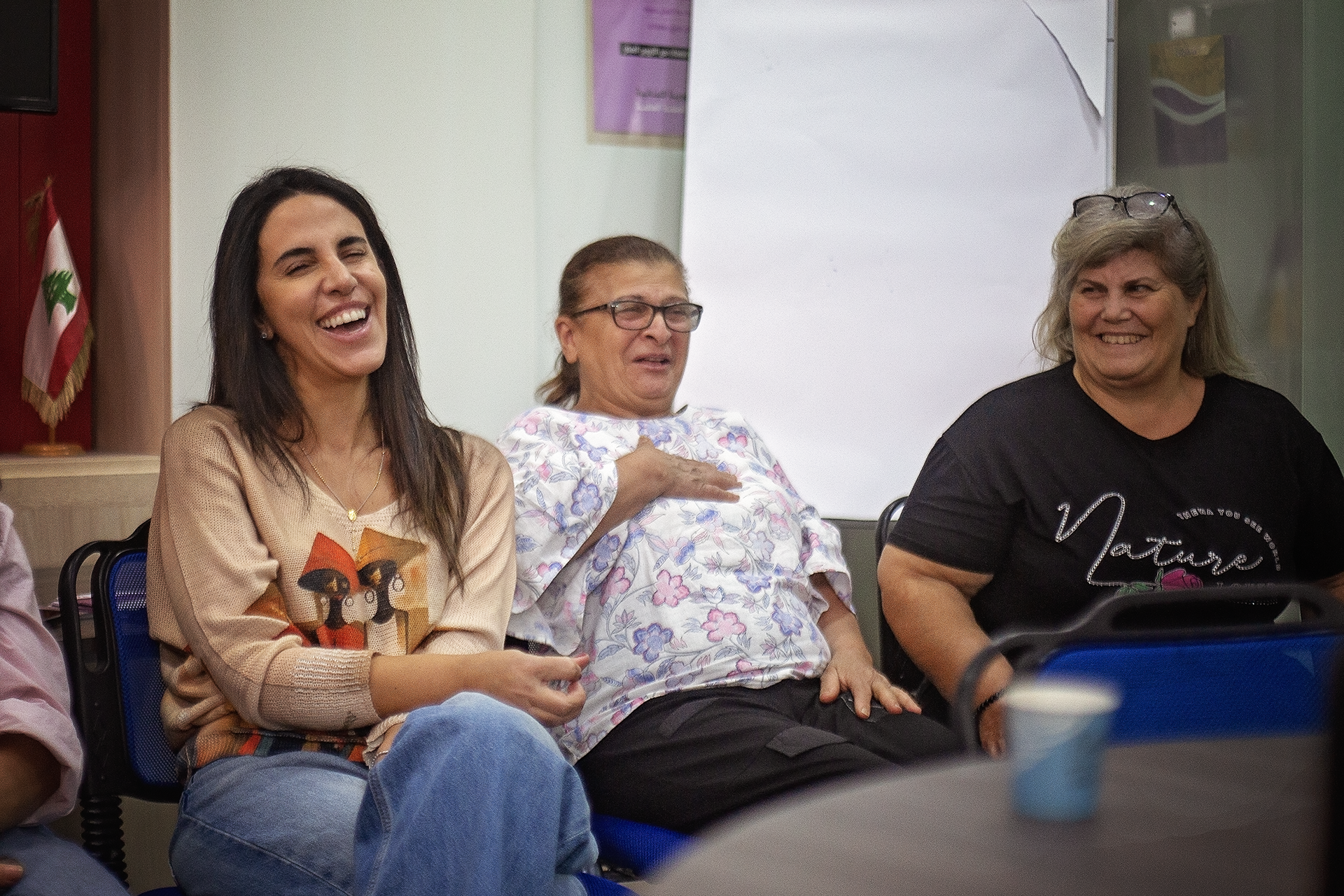
In Colombia, where violence is once again on the rise, human rights defenders from Diakonia’s partner organizations organized an arts festival with 200 children and young people from across the war-torn Cauca region. Through music, dance and art, they shared their experiences, gathered strength and supported each other. In Peru, our regional feminist network, Programa Paridad, held a meeting with participants from ten Latin American countries. The meeting focused on demands for political rights and women’s democratic participation. Meeting, receiving support and learning from each other is particularly important in countries where women live under unsafe conditions and where many women are murdered precisely because they are women. In Lebanon, many women live in conservative environments. Being made aware of your rights and having the opportunity to meet others in the same situation can be revolutionary. For example, women may start to talk to their husbands about not taking unpaid work at home for granted. A group of women laughingly told us about the surprised expressions on their husband’s faces when they started talking about gender roles. An important launchpad for achieving greater gender equality.
Painful to leave
For a long time, Cambodia’s democratic development was heading in the right direction – until it seriously threatened powerful interests and corrupt politicians in the country. It has been a matter of staying the course and defending the progress that has been made. Swedish development cooperation and Diakonia have been crucial throughout this process, so it was with great sadness that we felt compelled to close our operations in Cambodia during the year. With the government phasing out support from Sweden and our total revenue expected to fall by 35 percent in two years, we could not afford to stay. Now, local democracy movements have been left to fend for themselves and concerns about the future are growing. In Bangladesh, too, we have had to stop work after many years of amazing results. There are still major needs, which makes it so painful. In many countries, we have been an integral part of societal development and civil society for decades. In Bangladesh, we were the first foreign organization to be registered – our registration number was 1. Now we are no longer there. If you follow our work, you will notice that we will no longer be reporting on the girls who are learning to ride bicycles, and thus winning their freedom. The cycling lessons have led to more girls attending school and the number of child marriages declining. It has been wonderful to see all the commitment that the cycling girls have generated in Sweden. All over the country, cycling activities have been organized to raise money for the Cycling Project, including in Arvika and Sorunda, at scout camps and during the Vätternrundan cycling race. Now we hope that the fantastic commitment to girls’ freedom and schooling will continue and be directed towards some of our other projects, such as the important School Project in Egypt, or the Children’s Book Project in Palestine.
"Meeting, supporting and learning from each other is particularly important in countries where women live under unsafe conditions and where many women are murdered precisely because they are women."
In Bolivia, after many years of supporting local organizations, we have also had to close our operations. For a long time, Diakonia’s regional office was also located in Bolivia. We know that the important progress made is being kept alive and we hope, of course, that all the brave people we have worked with have the strength to continue fighting for better societies, even without outside support. But it is with great sadness that we can no longer be there for them.
Fighting for robust development cooperation
It is so sad that over the past year we have had to dismantle vital and well-functioning development cooperation and that we are now seeing the great extent to which vulnerable people are suffering. We know how important development cooperation is in terms of supporting the forces demanding change, especially now that those in power are tending to become increasingly authoritarian. That is why we are working to ensure Sweden has robust development cooperation, returns to the principle of allocating one percent of its GNI to development cooperation and once again becomes a significant voice in the world for democracy, human rights, gender equality and the rules-based international order.
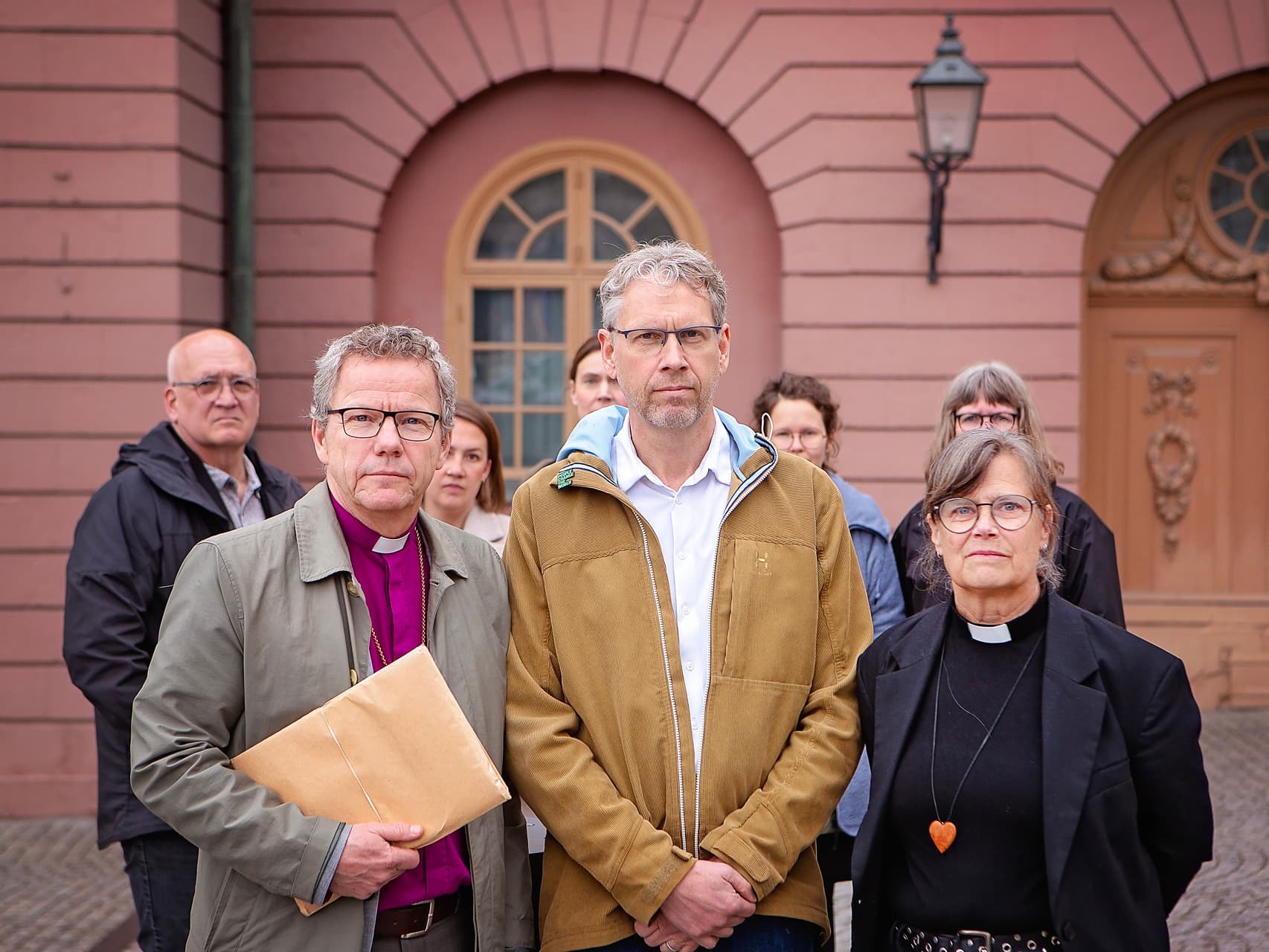
Today, it is more important than ever to stand up to despotic political leaders. If we do not want to accept the rule of might is right, we must defend international law. During the year, we strengthened our centre for international humanitarian law, the IHL Centre. It consists of almost 30 staff members, including around 20 legal experts who analyse, inform and advise diplomats, journalists, organizations and others working in war and conflict zones, the aim being to provide greater protection for the people living there and defend the rights-based international order. During the year, the IHL Centre produced a manual explaining in simple terms what international humanitarian law is and how to determine whether crimes may have been committed. The manual is called the Stockholm Manual and was launched first in Stockholm, then also in New York and Brussels. And in early 2026, also in Nairobi.
"We know how important development cooperation is in supporting the forces demanding change."
You are needed
Things feel hard to bear right now. But we know that it is people who change the world and we know that together, we can move mountains. We don’t have time to wait. And we need you. All the forces of good must now unite. Join us in the fight for a just, fair and sustainable world.
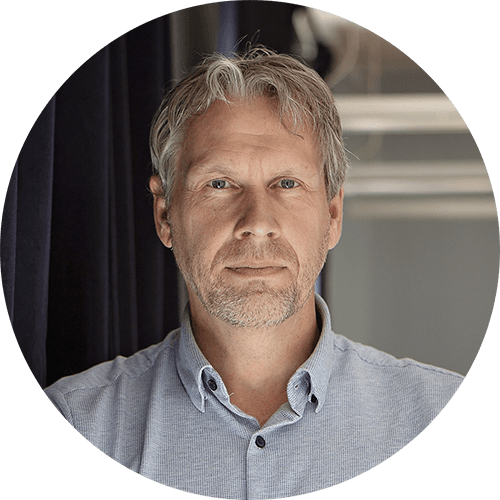
Mattias Brunander
Secretary General
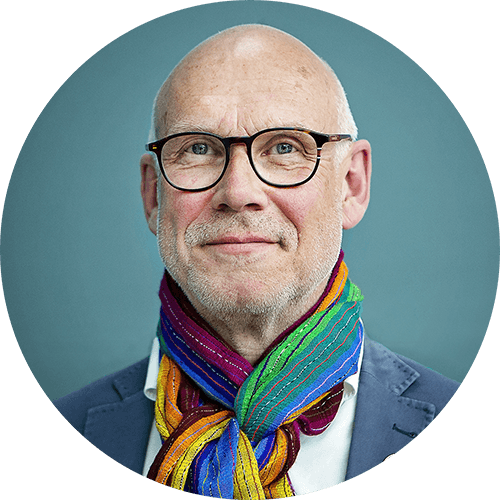
Pether Nordin
Chairperson