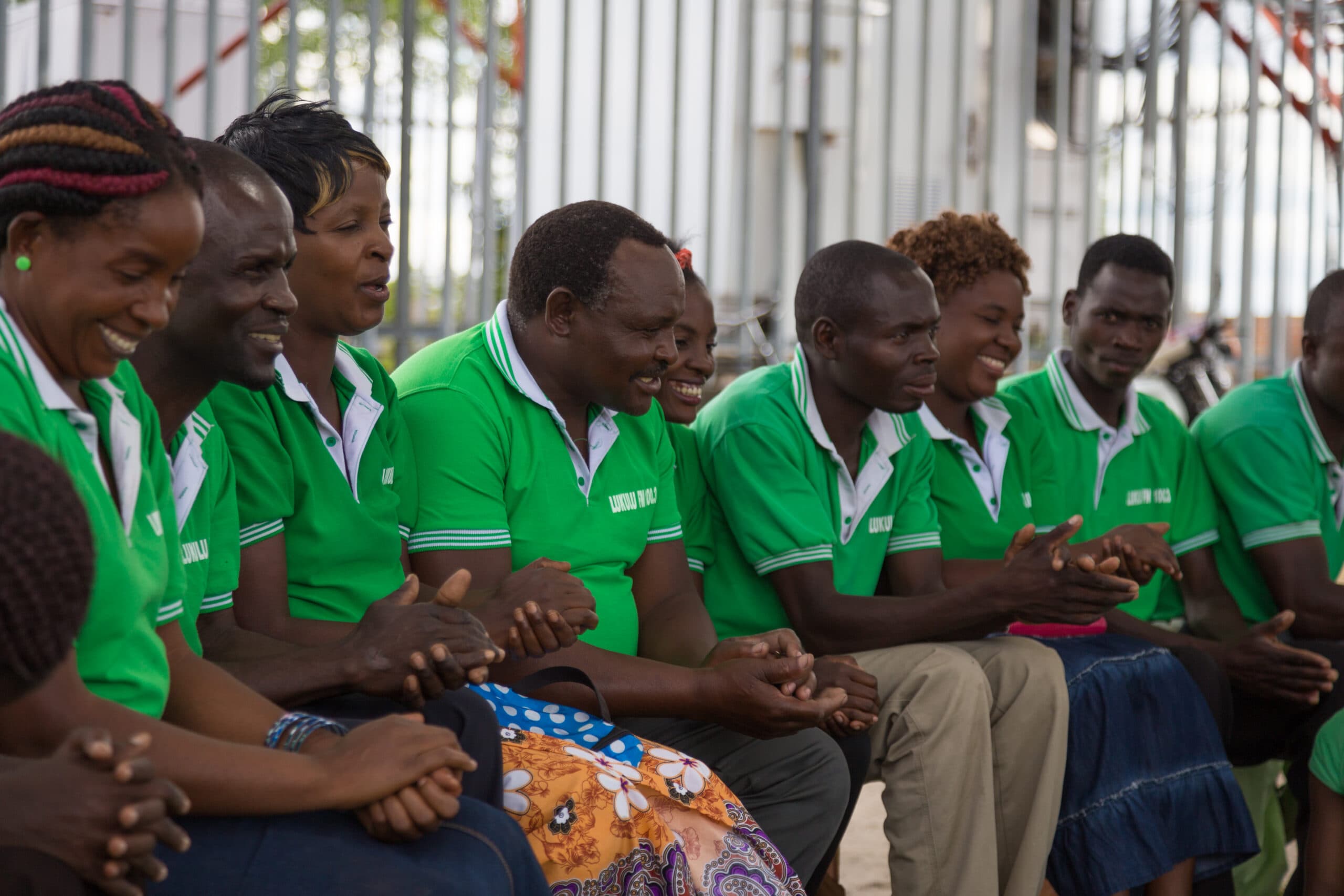
The Future of Democracy Will Be Built in Communities
17 September, 2026International Day of Democracy, observed on 15 September, offers a moment to reflect on what democracy means beyond elections, institutions, and political processes. At its heart, democracy is about people. It is about dignity, freedom, participation, and the protection of rights.
Yet, across Africa and beyond, democratic gains that once appeared firmly established are being tested by shrinking civic space, restrictions on fundamental freedoms, weakening institutions, and the growing appeal of authoritarian alternatives.
At a pre-International Democracy Day panel hosted by Diakonia’s Countering Hate, Furthering Rights (CHFR) Consortium Programme in Nairobi on 9th September, sentiments in the room made it clear that when democracy weakens, human rights are often among the first casualties. The session convened participants from Kenya, South Africa, Sweden, Botswana, and Ghana to reflect on Human Rights in Focus: Defending Dignity Amid Democratic Regression and Shrinking Civic Space.
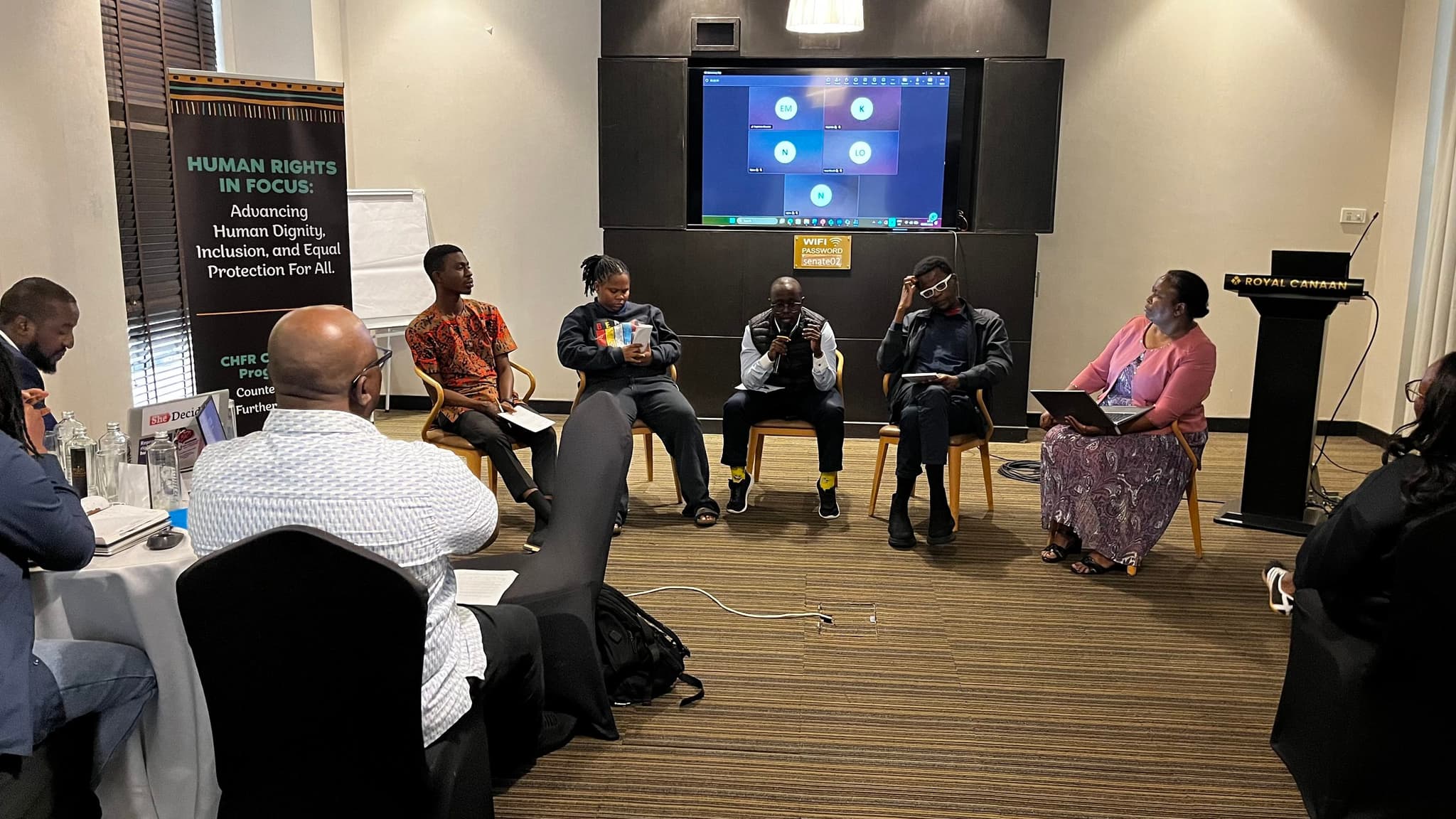
The fragility of democratic gains
“Democratic backsliding often affects those already pushed to the margins first, including women, young people, LGBTQI+ persons, refugees, and other excluded communities. Still, democracy remains one of the few systems through which human rights can be protected, promoted, and defended.”, noted a young activist from Ghana.
The activist offered a powerful reminder that democratic progress cannot be taken for granted. Reflecting on his own arrest alongside other young people while celebrating Kwame Nkrumah Day in Accra, he recalled his mother's reaction. For her generation, being told that your child had been arrested by the state carried a terrifying meaning: “It’s either you’re preparing for a funeral, or you’re afraid to go to the hospital.”
That memory captured not only the difference in experience between generations, but also the fragility of democratic gains. As the speaker reflected, though Ghana and many other countries have entered a more democratic era, the protections that underpin democracy cannot simply be assumed to be in practice.
“We thought we had reached a certain point where democracy had come to stay. But looking across the continent and even the world, you realize that democracy is backsliding because we stopped watching out for the things that allow democracy to backslide. And we find ourselves in a situation where we must rebuild democracy again,” he reflected.
The experience from Ghana served as an important reminder that even countries often celebrated as democratic success stories are not immune to restrictions on civic freedoms and democratic regression.
The growing distance between democracy and everyday life
Increasingly, democratic systems are failing to convince young people that they can deliver meaningful change. Across Africa, there is growing frustration among young people on the effectiveness of democracy and now, authoritarian alternatives and military rule appear attractive because they seem to offer decisive action where democratic institutions appear slow, disconnected or ineffective.
This frustration should not simply be dismissed as a rejection of democracy, but a warning. Young people are telling us that democratic participation must mean more than voting every few years. It must connect to the issues that shape everyday life: jobs, inequality, public services, safety, dignity, justice, and the ability to influence decisions that affect them.
A panelist from Kenya noted: “The rise of Gen Z activism and youth-led movements across Africa demonstrates that political participation is evolving. Young people are not necessarily disengaging from politics; they are rejecting political models that no longer speak to their reality.”
Democracy cannot survive on elite conversations alone
For years, much of democracy and governance work has centered on parliaments, political parties, unions, business leaders and policy spaces. However, does democratic change begin in these institutions?
A panelist representing international civil society observed: "We keep meeting parliamentarians, political parties, unions and business leaders for our advocacy work. But the real power lies with ordinary people."
The fight for democracy work must move beyond conferences, policy rooms and social media feeds and into villages, neighborhoods and community spaces because democracy is ultimately not only about institutions. It is about whether people believe they have a voice, whether they believe that voice matters and whether they believe collective action can change the conditions in which they live.
Taking democracy back to where people are
A democracy that exists primarily in technical policy documents and institutional language can feel distant from the people it is supposed to serve. Community conversations can bring democratic principles back to everyday realities.
Reflecting on her experience mobilizing during the most recent election period in Bostwana, a panelist said: “Before the elections in Botswana, we engaged people to ask: What does accountability mean when your local health center does not have medicine? What does freedom of expression mean when people are afraid to speak about corruption? What does political participation mean when young people feel decisions are made without them? This way, we were able to convince our parents to vote not out of political loyalty, but for change, after decades of one-party dominance.”
This, however, does not mean abandoning formal institutions. Parliaments, courts, political parties, oversight bodies and other institutions remain essential to functioning democracies. However, institutions lose legitimacy when citizens feel disconnected from them or unable to influence them. The answer cannot simply be to strengthen institutions from the top down, but it must also involve strengthening citizens' ability to question, participate in and hold those institutions accountable.
Supporting this with experience from Kenya, a human rights defender added: “During the 2024 Anti-Finance Bill Protests, we (the Gen Z) engaged directly with communities both online and offline and translated the bill into language and contexts the people could understand and relate to. The people at the heart of change are the people in the community."
Democracy must include everyone
Human rights organizations, feminist movements, labor unions, faith groups, youth movements, LGBTQI+ organizations and democracy advocates may work on different issues, but many are confronting the same underlying challenge: the concentration of power and the erosion of rights and civic freedoms.
"We cannot continue working in silos anymore because no movement can defend democracy alone. Strong democratic institutions need strong civic participation around them,” said a panelist representing international civil society, calling for unified and coordinated efforts.
Coalition building is therefore not simply a strategic advantage, but an increasing necessity for survival and impact. When civic space contracts, movements need one another. and when democratic institutions fail, collective action can create pressure that no single organization can generate alone.
Ultimately, the future of democracy depends on who gets to participate in shaping it. Participants highlighted efforts by different civic actors to expand democratic participation and ensure historically excluded groups can engage meaningfully in political processes. A democracy that protects rights for some while excluding others is already vulnerable, and therefore, inclusion cannot be an afterthought. Women, young people, LGBTQI+ people, refugees and rural communities, people whose voices have historically been excluded from political decision-making, must be included for democracy to thrive.
Perhaps the future of democracy will not be secured by another conference, another policy declaration, or another institutional reform alone. The discussion convened by the Countering Hate, Furthering Rights Consortium Programme underscored that democratic renewal begins not only in institutions, but in communities. It will be renewed through conversations in communities, through people organizing around the issues that matter to them, through young people finding new ways to participate, through movements working together rather than apart, and through citizens who believe that their collective voice can still change things.